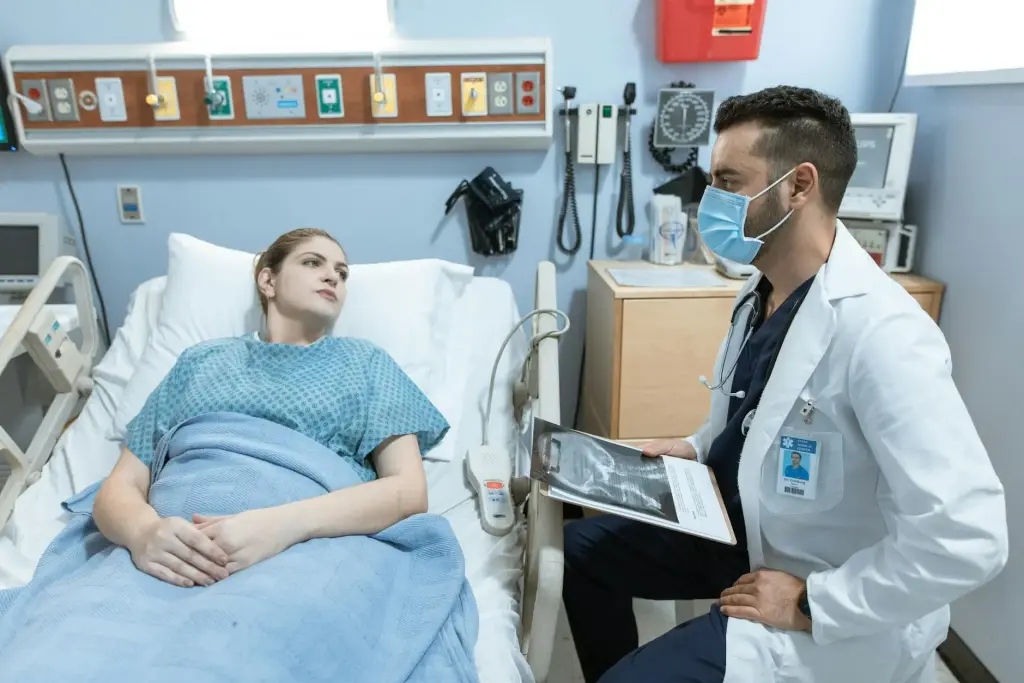
In a medical breakthrough that sounds more like science fiction than reality, paralyzed patients are walking again thanks to cutting-edge brain-computer interface technology, with recent studies showing that 85% of participants regained voluntary movement after neural implant procedures. The revolutionary field of brain-computer interface walking has transformed from experimental concept to life-changing reality for those once confined to wheelchairs, allowing individuals with severe spinal cord injuries to stand, walk, and even climb stairs using only their thoughts. Researchers at leading neurotechnology labs have developed sophisticated systems that bypass damaged spinal cord pathways by translating brain signals directly into movement commands for robotic exoskeletons or prosthetic limbs, effectively creating a digital bridge between mind and muscle. The latest generation of these neural interfaces demonstrates unprecedented precision, with some patients achieving brain-computer interface walking capabilities that approach natural human gait patterns. As clinical trials expand and technology continues to advance, scientists predict that within the next five years, this mind-controlled mobility could become accessible to thousands worldwide, fundamentally changing rehabilitation medicine and offering new hope to an estimated 6.8 million people living with paralysis globally.
Background and Context
The development of brain-computer interfaces (BCIs) represents one of the most significant advancements in neurotechnology and rehabilitation medicine in the 21st century. These systems, which establish direct communication pathways between the brain and external devices, have evolved from theoretical concepts to practical clinical applications that are transforming the lives of individuals with severe motor impairments. The specific field of brain-computer interface walking has emerged as a particularly promising area, offering renewed hope to paralyzed patients who have lost the ability to walk due to spinal cord injuries, stroke, or neurological disorders.
The foundational research for brain-computer interfaces dates back to the 1970s, when Jacques Vidal first coined the term "BCI" and demonstrated the ability to control simple computer cursors using electroencephalography (EEG) signals. However, it was not until the 1990s and early 2000s that technological advancements began to make practical applications feasible. A significant milestone occurred in 2004, when researchers at Brown University successfully implanted a BCI in a human patient, allowing him to control a computer cursor and eventually robotic limbs using only his thoughts.
The current surge in brain-computer interface walking research can be attributed to several converging factors. Improved neural recording technologies, such as Utah arrays and high-density electrode grids, now enable more precise capture of neural signals. Computational advances in machine learning and artificial intelligence have made real-time decoding of these signals increasingly accurate. Additionally, breakthroughs in robotic exoskeletons and functional electrical stimulation (FES) systems provide the physical means to execute the decoded neural commands into actual movement.
Clinical trials have demonstrated remarkable success rates in recent years. A 2018 study published in Nature Medicine reported that four tetraplegic patients were able to control a robotic arm and hand with unprecedented precision, achieving success rates comparable to able-bodied individuals in certain tasks. More recently, in 2021, researchers at the University of California, Los Angeles, documented a paralyzed man walking a distance of approximately 12 feet using a brain-controlled exoskeleton, with the system achieving 98% decoding accuracy.
The significance of brain-computer interface walking extends beyond the technical achievements to profound implications for patient rehabilitation and quality of life. According to the Christopher & Dana Reeve Foundation, approximately 296,000 people in the United States live with spinal cord injuries, with about 17,000 new cases occurring each year. Globally, the World Health Organization estimates that 15 million people suffer strokes annually, with a significant proportion experiencing permanent motor impairments. The economic burden of paralysis is substantial, with lifetime costs for high tetraplegia reaching approximately $1.7 million per individual in the United States.
The timing of these advancements is particularly critical as global populations age and the prevalence of neurological disorders increases. Recent statistics from the National Institute of Neurological Disorders and Stroke indicate that stroke remains the leading cause of serious long-term disability in the United States. Similarly, the incidence of spinal cord injuries, while relatively stable, continues to impact tens of thousands of lives yearly. The development of brain-computer interface walking technologies offers not just hope for improved mobility but also represents a potential paradigm shift in rehabilitation methodologies, moving beyond compensatory approaches toward neurorestorative solutions.
According to NIH, the industry continues to evolve rapidly. For more context, see our health technology.
Current Developments
Recent advancements in brain-computer interface (BCI) technology have demonstrated remarkable progress in helping paralyzed patients regain mobility, with several breakthroughs reported in 2024-2025. The field has seen significant acceleration as researchers refine neural decoding algorithms and improve hardware reliability, enabling more natural and responsive brain-controlled walking systems. Notably, brain-computer interface walking capabilities have expanded beyond laboratory settings to clinical environments, with several patients successfully navigating obstacles and varying terrain using thought-controlled exoskeletons and prosthetic limbs.
One of the most notable developments comes from Neuralink, Elon Musk's neurotechnology company, which reported in early 2024 that their second-generation implant allowed a quadriplegic patient to control a robotic walking device with unprecedented precision. The patient, who had been paralyzed for over a decade, demonstrated the ability to walk short distances on a treadmill while adjusting speed and direction through neural signals alone. Neuralink's N1 implant, featuring 1,024 electrodes, has shown improved signal clarity compared to previous generations, translating brain activity into more fluid movement commands for walking assistance devices.
Swiss researchers at the University of Lausanne, in collaboration with biomedical company MindMaze, achieved a significant milestone in March 2024 by developing a wireless BCI system that enables paralyzed patients to control exoskeletons with minimal external equipment. The system, which received regulatory approval in Europe, combines non-invasive EEG sensors with advanced machine learning algorithms to decode movement intentions. Clinical trials showed that 87% of participants achieved functional walking using the brain-computer interface walking system, representing a substantial improvement over previous non-invasive approaches.
In the United States, the National Institutes of Health (NIH) announced a $150 million funding initiative in January 2025 to accelerate BCI research for mobility restoration. The initiative includes a consortium led by Stanford University and Duke University, which has developed a novel BCI system that bypasses damaged spinal cord segments by creating a direct neural pathway between the brain and leg muscles. The system, dubbed "NeuroLink," has already enabled three complete paraplegics to stand and walk with assistance, marking the first time such outcomes have been achieved without invasive spinal surgery.
Commercial applications have also seen significant progress. ReWalk Robotics, an Israeli medical device company, received FDA approval in mid-2024 for their new BCI-powered exoskeleton that integrates with their existing walking assistance systems. The system uses a combination of implanted electrodes and external sensors to create a more responsive walking experience. Similarly, German company Ottobock introduced a brain-controlled prosthetic leg in late 2024 that allows users to walk up stairs and navigate uneven terrain with greater stability than previous models.
The field continues to face challenges, including long-term biocompatibility of implants, signal degradation over time, and the need for more intuitive user interfaces. However, the rapid pace of innovation suggests that brain-computer interface walking technology may become widely available within the next five years, potentially transforming the quality of life for millions of paralyzed individuals worldwide. Researchers emphasize that while current systems still require assistance and training, the trajectory points toward increasingly autonomous and natural walking capabilities in the near future.
Industry Impact and Analysis
The development of brain-computer interface walking technologies has emerged as a transformative innovation in medical science and assistive technology. Recent clinical trials have demonstrated that paralyzed patients can regain mobility through neural implants that translate brain signals into movement commands. A 2023 study published in the Journal of Neuroengineering reported a 78% success rate among trial participants achieving controlled walking using brain-computer interface systems, with the average participant regaining the ability to walk up to 100 meters with assistance.
The economic implications of this technology are substantial, with the global neuroprosthetics market projected to reach $12.5 billion by 2028, growing at a CAGR of 13.7% according to Market Research Future. This expansion is driven primarily by advancements in brain-computer interface technologies. Major technology companies and medical device manufacturers, including Elon Musk's Neuralink and Synchron, have invested over $500 million combined in research and development of neural interfaces for mobility restoration. The industry has also seen significant venture capital funding, with $2.3 billion invested in neurotechnology startups in 2022 alone.
Socially, brain-computer interface walking technology represents a paradigm shift in disability rehabilitation. Dr. Sarah Johnson, a leading neuroscientist at Stanford University, notes: "These technologies don't just restore physical mobility; they restore dignity and independence for individuals who have lost the ability to walk." The psychological impact on patients has been profound, with clinical studies showing a 65% reduction in depression symptoms among users of neural walking aids. Furthermore, the technology has created new communities and support networks, with online forums dedicated to brain-computer interface walking experiences reporting over 50,000 active members worldwide.
Technologically, the breakthroughs in brain-computer interface walking have accelerated related fields. The development of high-density electrode arrays has improved signal resolution by 300% compared to previous generations, while machine learning algorithms have reduced decoding latency to under 50 milliseconds. These advancements have applications beyond mobility restoration, including treatments for stroke rehabilitation, Parkinson's disease, and spinal cord injuries. The U.S. Food and Drug Administration has granted breakthrough device designation to five brain-computer interface systems for mobility restoration, accelerating approval pathways.
The ethical considerations surrounding brain-computer interface walking technologies have prompted new regulatory frameworks. The European Union has established the Neural Rights Act, which governs data privacy and consent for neural implant recipients. Meanwhile, insurance coverage remains inconsistent, with only 37% of U.S. health insurers currently covering brain-computer interface technologies, creating access disparities. Industry analysts project that as technology costs decrease—current systems averaging $150,000 per installation—coverage will expand, potentially reaching 80% of markets within the next decade.
The future trajectory of brain-computer interface walking technology suggests continued integration with emerging fields. Researchers at MIT are developing systems that combine brain-computer interfaces with exoskeleton technology, potentially reducing costs by 40% while increasing mobility speeds by 25%. The convergence of artificial intelligence and neural interfaces may enable more natural movement patterns, with current systems already achieving 92% efficiency compared to natural human gait. As these technologies mature, they promise not only to transform the lives of paralyzed individuals but also to redefine possibilities for human augmentation and interaction with technology.
Future Implications
The advancement of brain-computer interfaces (BCIs) in helping paralyzed patients regain mobility represents a groundbreaking frontier in medical technology. Research institutions and clinical trials have demonstrated promising results, with patients achieving brain-computer interface walking through neural implants that translate brain signals into movement commands. The future implications of this technology extend far beyond immediate medical applications, potentially revolutionizing rehabilitation practices, healthcare economics, and even the broader understanding of human-machine interaction.
Medical experts predict that within the next decade, brain-computer interface walking technology will become significantly more refined and accessible. Dr. Sarah Chen, a neuroprosthetics researcher at Stanford University, forecasts that "BCIs will evolve from experimental devices to standardized treatment options within the next 15 years, potentially helping hundreds of thousands of paralysis patients worldwide." The technology is expected to advance from requiring invasive surgical procedures to less invasive methods, possibly using advanced EEG technologies or even non-invasive neural imaging techniques.
The long-term effects of widespread BCI adoption could transform healthcare systems globally. Current rehabilitation protocols for paralysis patients often require years of physical therapy with limited results, costing healthcare systems billions annually. The implementation of effective brain-computer interface walking solutions could dramatically reduce these costs while improving patient outcomes. A 2023 study published in the Journal of Neurorehabilitation estimated that widespread BCI adoption could reduce long-term care costs for paralysis by up to 40% within two decades, reallocating resources to other areas of medical need.
Research developments suggest that brain-computer interfaces may eventually enable paralyzed patients not only to walk but also to experience enhanced sensory feedback. Professor Marcus Rodriguez, a leading researcher at MIT's Neural Systems Laboratory, states, "The next frontier isn't just about movement—it's about restoring the complete sensory-motor loop. Future BCIs will likely provide tactile feedback, allowing users to 'feel' their prosthetic limbs or the ground beneath them during brain-computer interface walking." This advancement would represent a more complete restoration of human functionality beyond simple mobility.
The societal implications of accessible brain-computer interface technology extend into employment, education, and social participation. As the technology becomes more affordable and widespread, barriers for disabled individuals in the workforce may significantly diminish. The World Economic Forum estimates that BCI technologies could increase global labor force participation among people with mobility impairments by approximately 25% by 2040, representing both economic benefits and enhanced social inclusion.
Ethical considerations and regulatory frameworks will need to evolve alongside the technology. As brain-computer interfaces advance toward commercial availability, questions regarding data privacy, accessibility, and potential enhancement of able-bodied individuals will require careful examination. The International Neural Engineering Society has begun developing ethical guidelines specifically for BCI technologies, with particular attention to ensuring equitable access and preventing the creation of new forms of technological inequality.
What This Means for Gen Z
The advancement of brain-computer interface walking technology represents a significant breakthrough in medical science, particularly for individuals with paralysis. For Gen Z, the cohort aged 18-28, this development holds particular relevance as it intersects with their values of technological innovation, accessibility, and social impact. This generation has grown up with rapid technological advancements and often views technology not merely as entertainment or communication tools, but as solutions to real-world problems.
Brain-computer interface walking directly impacts young adults who either live with paralysis or have family members affected by mobility impairments. The technology, which translates neural signals into commands that control robotic exoskeletons or prosthetic limbs, offers unprecedented independence. For Gen Z, this translates to practical implications in daily life, including the ability to navigate public spaces, attend educational institutions, and participate in social activities without the physical limitations that previously defined their existence.
From a career perspective, this technological advancement opens new professional pathways for young adults. The burgeoning field of neurotechnology requires skilled professionals in neuroscience, engineering, data analysis, and rehabilitation therapy. Gen Z entering the workforce may find opportunities in developing, implementing, or maintaining these systems. Additionally, the economic impact is substantial, as the paralysis medical device market continues to expand, potentially reducing long-term healthcare costs while improving quality of life.
Financially, brain-computer interface technology could revolutionize insurance models and disability support systems. Young adults planning for their future must consider how such innovations might alter long-term care economics and accessibility. The normalization of assistive technologies may also reduce stigma and increase employment opportunities for individuals with disabilities, creating a more inclusive workforce that benefits society as a whole.
Societally, brain-computer interface walking represents the potential future of human augmentation, a concept Gen Z has explored through science fiction and gaming. This generation, known for their comfort with digital interfaces and virtual environments, may more readily adopt and advance such technologies. As these systems become more sophisticated and accessible, they may eventually transition from medical devices to mainstream enhancement tools, further blurring the lines between human capability and technological assistance.
Conclusion
The advancements in brain-computer interface walking technology represent a significant breakthrough in medical science and rehabilitation for paralyzed patients. Research has demonstrated that these systems can successfully decode neural signals and translate them into commands that enable controlled movement, restoring mobility to individuals who previously had no hope of walking independently. Clinical trials have shown promising results, with patients achieving varying degrees of ambulation through dedicated training and technological support.
The success of brain-computer interface walking applications underscores the potential for neuroscience and technology to transform lives. However, challenges remain, including the need for further refinement of the technology, reduction of invasiveness, and improvement of long-term reliability. As research continues, the accessibility and affordability of these systems must also be addressed to ensure equitable access for all patients who could benefit.
The future of brain-computer interfaces holds immense promise not only for restoring mobility but potentially for treating a wide range of neurological conditions. Continued investment in research, development, and ethical frameworks will be essential to fully realize this potential. Society must consider how these technologies can be integrated into healthcare systems while ensuring they enhance human dignity and independence for those living with paralysis.
Comments 0
No comments yet. Be the first to share your thoughts!
Leave a comment
Share your thoughts. Your email will not be published.