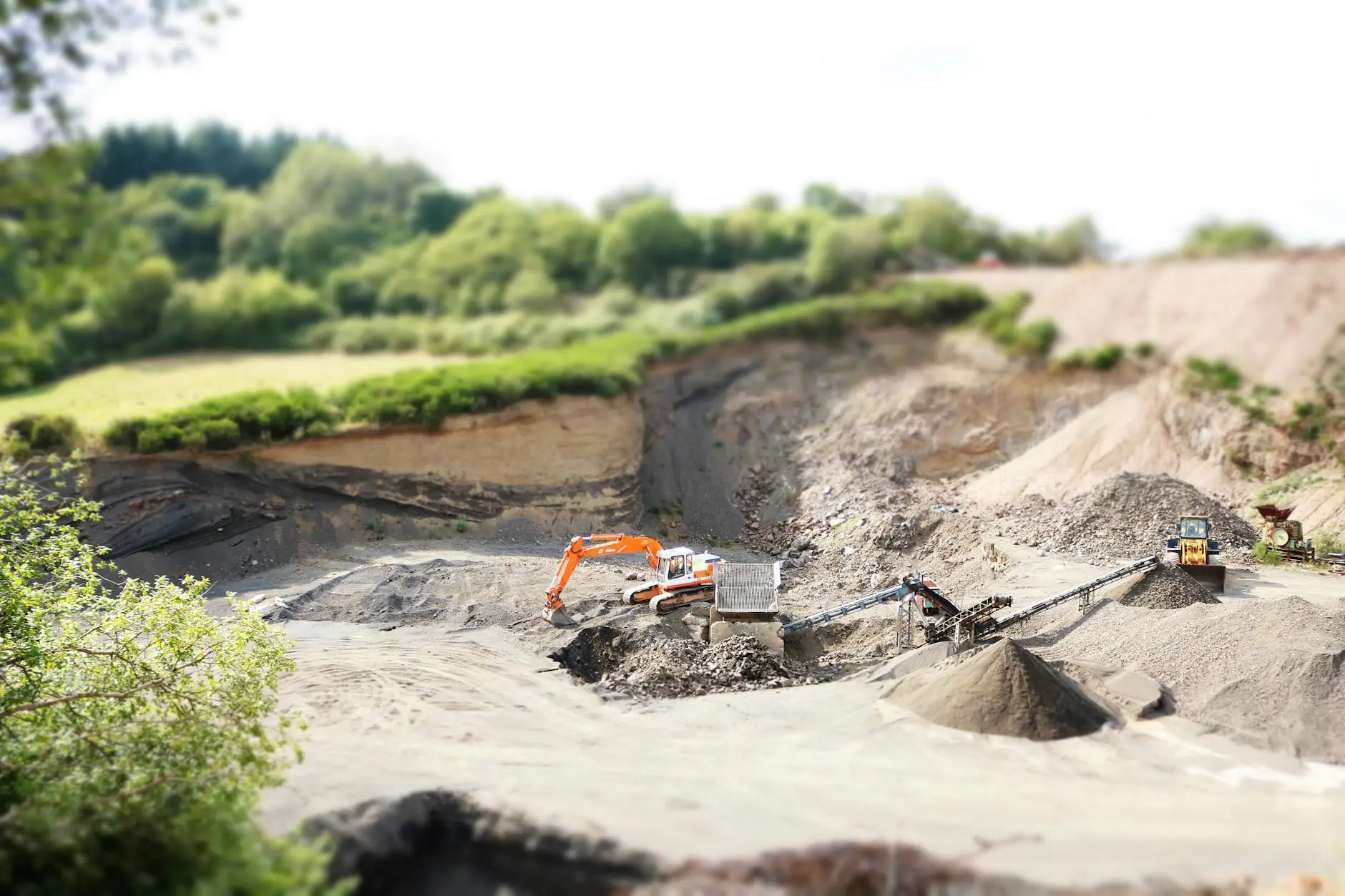
Mining giant BHP is making a historic $10 to $14 billion bet on Chile's copper reserves, signaling what industry analysts are calling a "new industrial supercycle" driven by two powerful forces: the global energy transition and the explosive growth of AI data centers. According to The Chronicle-Journal, this massive investment strategy represents one of the largest capital pivots in modern mining history.
The move comes as copper prices surge amid unprecedented demand from technology companies building out AI infrastructure. Data centers powering artificial intelligence require enormous amounts of copper for electrical wiring, cooling systems, and power distribution. Combined with the electrification of transportation and renewable energy expansion, experts warn of a supply gap that threatens to slow global technological advancement.
Why Copper Is the New Strategic Asset
BHP's Chilean investment isn't just about mining more metal—it's about securing the raw materials that will power the next generation of technology. Copper is essential for everything from electric vehicle batteries to wind turbines, but the AI boom has created an entirely new category of demand that few predicted just years ago.
According to industry reports, a single large AI data center can require up to hundreds of tons of copper for its electrical infrastructure. As tech giants like Google, Microsoft, Amazon, and Meta race to build more AI-capable facilities, the strain on copper supplies intensifies. PitchBook analysts note that hyperscale AI infrastructure is reshaping global commodity markets in ways that mirror the impact of previous industrial revolutions.
The message from mining executives is clear: copper is becoming the new oil. Companies that control the largest, most technologically advanced copper mines will hold significant influence over the pace of global electrification and AI deployment. Chile, already the world's largest copper producer, stands to benefit enormously if BHP's bet pays off.
Technology Meets Mining: The AI Revolution Goes Underground
The BHP investment isn't just about extracting more copper—it's about doing it smarter. Mining companies are increasingly deploying artificial intelligence and automation to improve efficiency, reduce environmental impact, and extract ore from previously uneconomical deposits.
Chile's state-owned mining giant Codelco has already partnered with Microsoft to explore AI applications in mining operations, as reported by Fine Day Radio. The collaboration aims to make mining "safer, more efficient and sustainable with a focus on people, productivity and long-term value for the company and country."
This technological transformation extends across the industry. From autonomous drilling equipment to AI-powered ore sorting, the copper mines of the future will look radically different from traditional operations. BHP's investment signals confidence that Chile's regulatory environment and technological infrastructure can support this next generation of mining operations.
Geopolitical Implications of the Copper Crunch
The global race for copper resources has significant geopolitical dimensions. As the United States and China compete for dominance in AI and clean energy technologies, access to critical minerals has become a matter of national security. Chile's position as the world's copper heartland makes it an increasingly important player in international relations.
Recent developments underscore this strategic importance. Digitimes reported that the US and Chile have begun talks on cooperation in rare earths and other critical minerals, as Washington seeks to strengthen supply chains and reduce reliance on China for strategic materials.
For Gen Z investors and job seekers, the copper boom represents both opportunity and risk. Mining companies are hiring tech-savvy workers who can bridge the gap between traditional extraction and digital innovation. At the same time, environmental concerns about mining impacts continue to generate debate about the true cost of the energy transition.
What's Next for the Copper Market
Industry analysts predict that copper demand will continue to outstrip supply for years to come. BHP's massive investment is just one signal of a broader trend as mining companies rush to expand capacity. However, developing new mines takes years, and the supply gap may widen before it closes.
For consumers, this means higher prices for anything that uses electricity—smartphones, laptops, electric vehicles, and yes, the AI services that are becoming increasingly embedded in daily life. The copper crunch isn't just a mining industry story; it's a preview of how resource constraints will shape the technology landscape of the coming decade.
As BHP doubles down on Chile, all eyes will be on whether the investment can deliver the copper volumes needed to power the AI revolution while meeting the sustainability standards that increasingly matter to investors, consumers, and communities alike.
Comments 0
No comments yet. Be the first to share your thoughts!
Leave a comment
Share your thoughts. Your email will not be published.