Balendra Shah Nepal just pulled off one of the wildest political upsets in modern Asian history. The 35-year-old former rapper—known to millions as "Balen"—is set to become Nepal's next prime minister after his Rastriya Swatantra Party (RSP) demolished the old political establishment in a landslide election victory. Balendra Shah Nepal went from making hip-hop beats to potentially running an entire country, and the story of Balendra Shah Nepal is one for the history books. The same old leaders who'd traded power for decades? Gone. Replaced by a dude who used to spit fire over hip-hop beats.
The Moment Nepal's Gen Z Said Enough
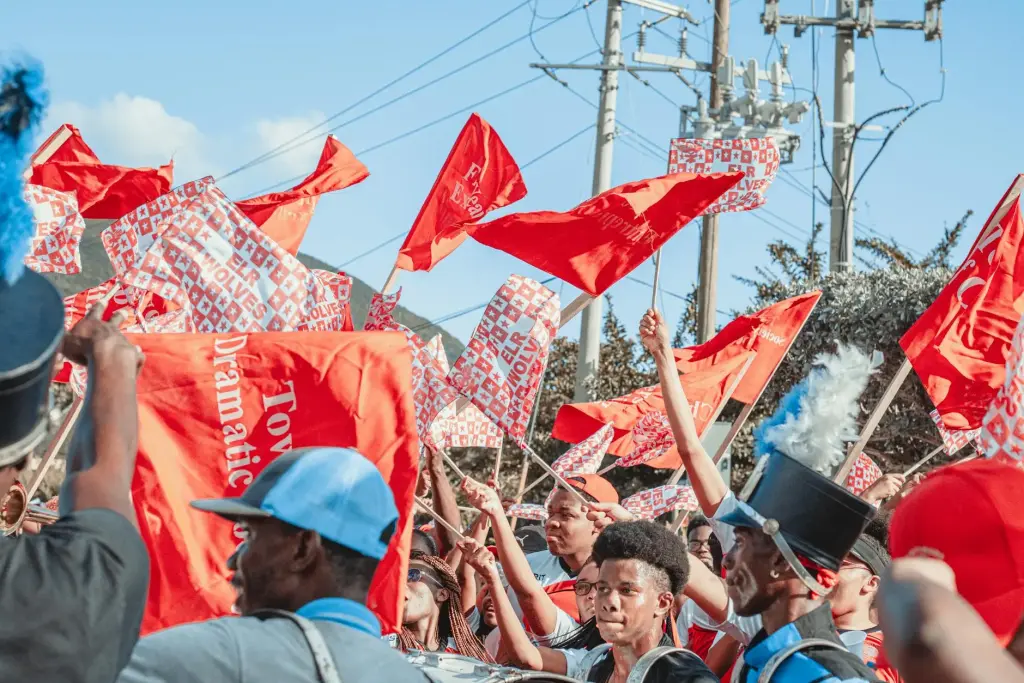
The road to Balendra Shah Nepal's improbable rise started with anger. Lots of it. In September 2025, mass youth protests erupted after the government dissolved parliament. What began as a political crisis quickly snowballed into something much bigger—a full-blown rejection of the same political dynasties that had run Nepal since the monarchy ended in 2006. Young people, many of them teenagers who'd never known conflict themselves, flooded Kathmandu's streets. They built barricades, faced tear gas, and kept coming back. At least 77 people were killed by police, reports say, but the movement only grew louder.
Those pushing back against the old guard weren't organized by traditional activists or political parties. They were Gen Z—digital natives who coordinated through encrypted apps when the government tried to silence them with internet blackouts. The uprising was leaderless at first, but everyone agreed on one thing: they wanted someone different. Studies show that movements without a single point of control are notoriously hard to suppress. Nepal's establishment learned that the hard way. The protests forced four-time Prime Minister KP Sharma Oli to resign, opening the door for the snap election that would change everything.
From Studio Booth to Parliament: Who Is Balendra Shah?
Balendra Shah grew up in Nepal's eastern Damak district, studied civil engineering, and later found fame as a hip-hop artist. His early rap tracks attacked government corruption and social injustice—themes that resonated deeply with urban Nepali youth. He built a massive social media following with direct, often blunt posts. No political jargon, no hollow promises. Just call-it-out energy. When he ran for mayor of Kathmandu in 2022, he became the capital's first independent mayor ever, running on an anti-corruption ticket. His time in office was controversial—he demolished illegal constructions, took on local power brokers, and got sued multiple times for overstepping. But he never backed down.
When the Gen Z uprising exploded in 2025, protest leaders approached Balendra Shah to serve as interim prime minister. He declined the offer, choosing to wait for proper elections instead. In December 2025, he officially joined the RSP. The decision turned out to be the right one. His party ran on a simple message: we are not them. And Nepali voters, exhausted by the same two parties swapping power for twenty years, believed it. Balendra Shah Nepal had arrived.
Why This Election Was Different
On March 5, 2026, Nepal voted in its first election since the uprising. The results were historic. The RSP—a party that didn't even exist four years ago—won more seats than any party in over sixty years. According to Reuters reports, the RSP won 182 of 275 parliamentary seats. Compare that to the Nepali Congress and the Communist Party of Nepal UML, the two old guard parties that had governed through every coalition mess since the republic was declared. Combined, they won barely a fraction of what the RSP secured. KP Sharma Oli himself was defeated by Balendra Shah in his own constituency, getting roughly one vote for every four that went to Balen. That is not just a defeat. That is an erasure.
The symbolism was almost too perfect. A 74-year-old career politician who had served as prime minister four times, beaten by a 35-year-old former engineer who once freestyled about corruption on stage. The generational shift was concrete, measurable, and undeniable. As reported by multiple international outlets, young Nepalis turned out in massive numbers—and they voted for change, not continuity.
Can the Revolution Actually Deliver?
Here is where things get complicated. Balendra Shah Nepal now has a mandate, a massive majority, and the hopes of an entire generation riding on his shoulders. His agenda includes rooting out corruption, reforming the judiciary, and reviving an economy where nearly one in five young people cannot find formal work. Those are big promises, and Nepal's political history is littered with leaders who promised revolution and delivered gridlock instead. The RSP has pledged transparent governance and open data—genuinely new ideas for a country where political deals happen behind closed doors. But converting election energy into actual policy is a different beast entirely.
What makes this moment feel different though? The Gen Z activists who organized the 2025 uprising are not disappearing. They are watching. They pushed Balendra Shah into this role, and they will not hesitate to push back if he drifts into the same old patterns. The anger that filled Kathmandu's streets last year did not come from nowhere. It came from decades of broken promises. If the RSP fails to deliver real change, the same energy that brought Balendra Shah to power could turn against him just as fast. You can read more about global youth movements demanding political change in our politics coverage here.
The world is watching. Analysts from Singapore to Washington are studying whether Nepal's Gen Z revolution can actually translate into working governance. A successful Balendra Shah would send shockwaves through political establishments across Asia, where aging leaders have long ignored young populations frustrated by unemployment, corruption, and lack of opportunity. A failed one would prove that the system is simply too broken to reform from inside. Either way, Nepal just ran the experiment. And the results will reshape how an entire generation thinks about power, politics, and protest. For more stories about how young people are reshaping nations worldwide, explore our world news section.
Comments 0
No comments yet. Be the first to share your thoughts!
Leave a comment
Share your thoughts. Your email will not be published.