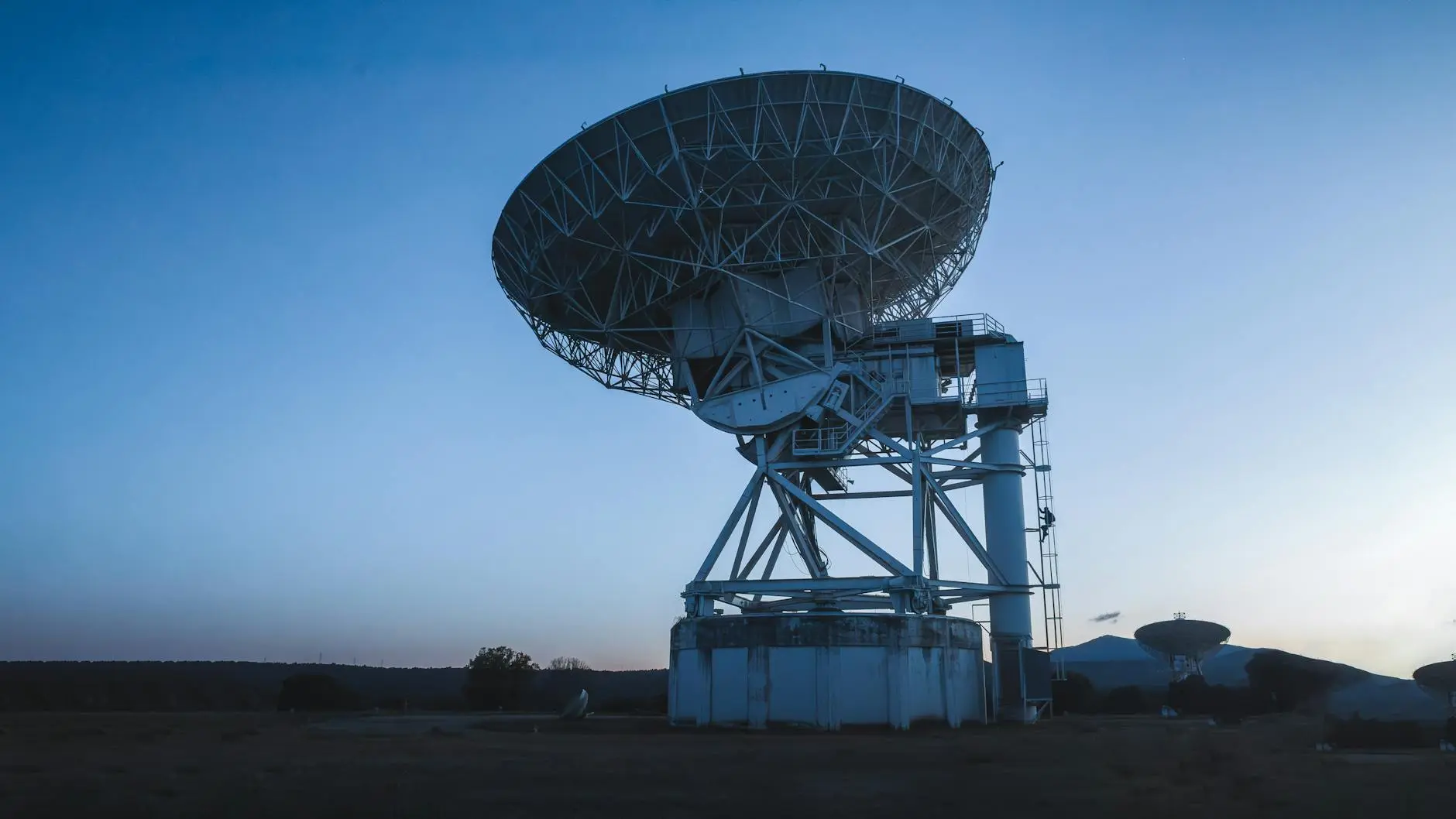
Astronomers have confirmed an extraordinary cosmic phenomenon: a razor-thin radio signal detected from more than 8 billion light-years away that defies conventional explanation. The signal was detected by the MeerKAT radio telescope array in South Africa, and its intensity was far brighter than anything scientists had anticipated. This discovery represents one of the most significant astronomical findings in recent years, opening new windows into our understanding of the universe's most energetic processes.
The mega-laser signal has been described as the cosmic equivalent of a maser, which is essentially the radio wavelength equivalent of a laser. What makes this discovery particularly remarkable is that the signal is incredibly bright and appears to be amplified in a way that mimics laser emission but at radio wavelengths. Scientists are calling it a mega-laser, and it provides valuable insights into some of the most extreme environments in the cosmos. The detection challenges current understanding of how such intense radio emissions can be produced over such astronomical distances.
How the MeerKAT Telescope Made the Discovery
The MeerKAT array, consisting of 64 radio dishes working in concert, detected this extraordinary mega-laser signal with only a few hours of observing time. The telescope's exceptional sensitivity and resolving power made it possible to identify and confirm the nature of this distant radio emission. According to the research team, the signal originated from a region of space where specific conditions can pump hydroxyl molecules into the right state to amplify radio emission at the 18-centimeter wavelength.
The detection required the combined power of dozens of dishes working together as an interferometer, allowing astronomers to achieve the resolution and sensitivity needed to isolate this faint but extremely bright mega-laser signal. The team reports confirming the signal relatively quickly, using just a few hours of observing time. This efficiency is remarkable given the cosmological distance involved and the precision required to isolate the signal from background noise. The success of this observation demonstrates the remarkable capabilities of the MeerKAT array for detecting cosmic radio sources.
Understanding the Cosmic Mega-Laser
The phenomenon is essentially the radio equivalent of a laser, but on a cosmic scale. In simple terms, a merger creates dense, energized gas, and hydroxyl molecules within that gas amplify radio emission in a way that produces an incredibly focused and intense beam. The foreground galaxy acts as a kind of cosmic telescope, amplifying and focusing the mega-laser signal through gravitational lensing effects. This natural amplification process is what makes such distant detections possible.
Scientists have long theorized about the existence of such cosmic masers, but actually confirming one at such an immense distance represents a major observational breakthrough. The mega-laser signal provides valuable information about the conditions in distant galaxies and the physical processes that can produce such intense radio emissions. Understanding these mega-lasers could help astronomers learn more about galaxy formation, stellar evolution, and the extreme environments found in the universe's most distant regions.
This discovery also has implications for understanding dark matter and the large-scale structure of the universe. The conditions that create mega-lasers are relatively rare, and their detection can serve as natural laboratories for studying fundamental physics. The research team plans to conduct follow-up observations to learn more about the specific source and the mechanisms producing this extraordinary mega-laser signal.
The detection of this cosmic mega-laser demonstrates the incredible advances in radio astronomy technology over the past decade. Modern instruments like MeerKAT can detect signals that would have been impossible to observe with earlier telescopes. This finding adds to the growing understanding of the diverse and surprising phenomena that exist throughout the cosmos. As radio telescope technology continues to improve, scientists expect to make even more groundbreaking discoveries in the coming years.
For astronomers, this detection represents both a confirmation of theoretical predictions and an opportunity to study astrophysical processes in unprecedented detail. The research has been featured in major astronomy publications, highlighting the significance of this cosmic radio signal detection.
The discovery opens new possibilities for studying distant galaxies and the extreme physics that governs their behavior. The findings were reported by The Daily Galaxy, emphasizing how the mega-laser signal detection represents a remarkable achievement in modern astronomy.
Comments 0
No comments yet. Be the first to share your thoughts!
Leave a comment
Share your thoughts. Your email will not be published.