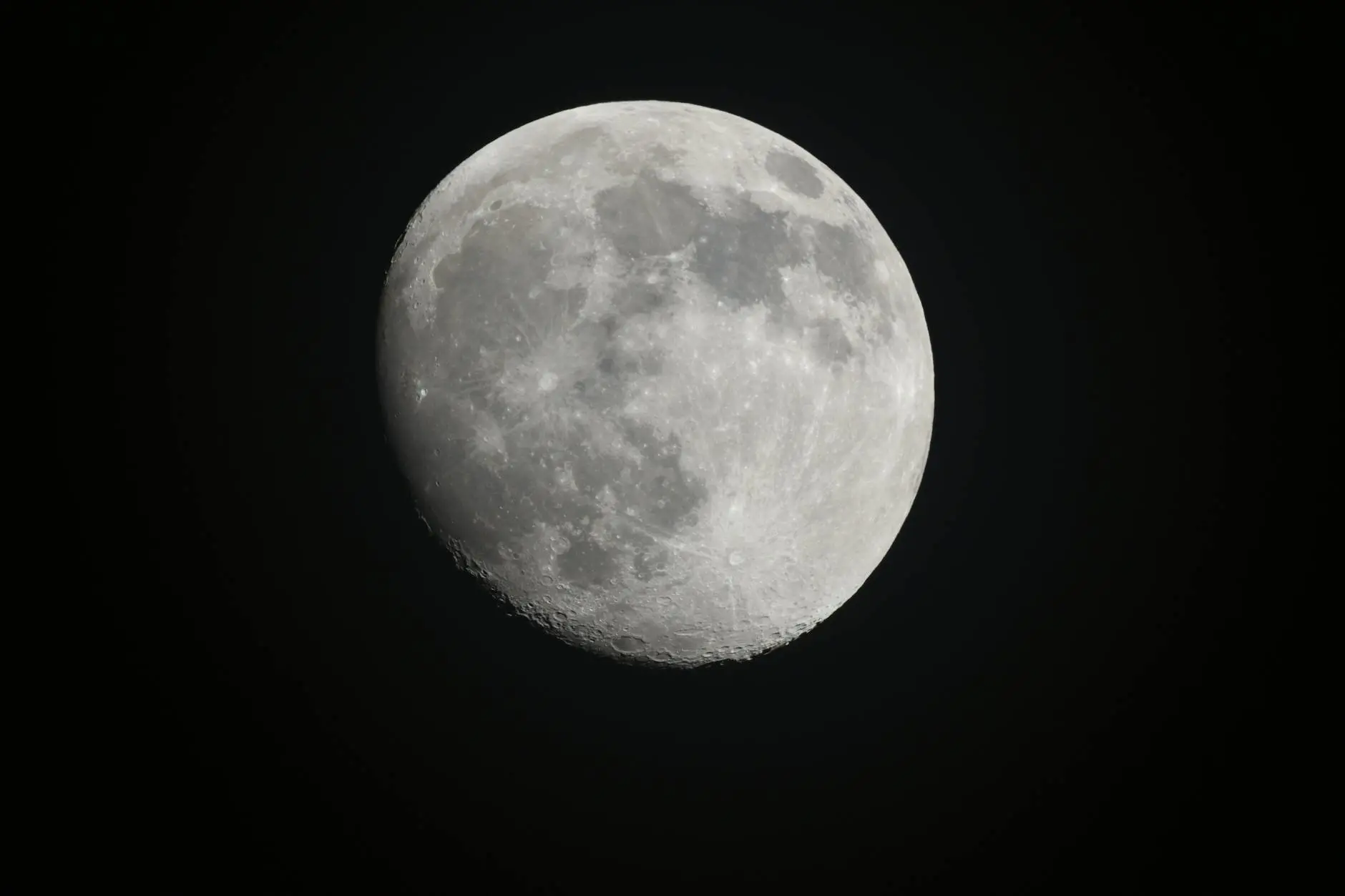
A newly discovered asteroid designated 2026 EG1 made a surprise close approach to Earth on March 12, passing within 197,466 miles of our planet—closer than the moon itself. The space rock was first spotted just four days before its flyby, highlighting both the capabilities and limitations of current asteroid detection systems.
According to Space.com and NASA's Center for Near-Earth Object Studies, asteroid 2026 EG1 posed absolutely no risk of impact despite its proximity. The late detection, however, demonstrates that some space rocks can evade detection until they are already very close to Earth.
Size, Speed, and Trajectory
Measuring between 32 and 72 feet wide—roughly the size of a school bus—the asteroid made its closest approach at 11:27 p.m. EDT on March 12. At that moment, it was traveling at an incredible 21,513 miles per hour relative to Earth. The space rock passed silently beneath Antarctica before continuing its journey through the solar system.
According to NASA tracking data, after its Earth flyby, asteroid 2026 EG1 performed a distant pass of the moon at around 8:08 a.m. on March 13, coming within 260,000 miles of the lunar surface. The asteroid is now heading back into deep space, leaving astronomers with valuable data about its orbit and physical characteristics.
The Discovery Challenge
The close approach of 2026 EG1 highlights both the capabilities and limitations of current asteroid detection systems. According to The Daily Galaxy, NASA and its international partners currently track over 41,000 near-Earth asteroids—but thousands more remain undiscovered and potentially hazardous.
The detection of asteroid 2026 EG1 came just four days before its closest approach, demonstrating how some space rocks can evade detection until they are already uncomfortably close. While this particular asteroid was harmless, larger undetected objects could pose serious threats to populated areas. This is why NASA and other space agencies continue investing heavily in improved detection technology and telescope networks.
How Astronomers Detect Near-Earth Objects
Finding near-Earth asteroids requires scanning vast areas of the night sky for tiny moving dots of light. Professional surveys like Pan-STARRS and the Catalina Sky Survey use automated telescopes to photograph large portions of the sky repeatedly, looking for any objects that change position between successive images.
The upcoming Vera Rubin Observatory in Chile is expected to dramatically increase discovery rates over the next decade. According to astronomical projections, this powerful new telescope could discover thousands of previously unknown solar system objects in its first years of operation, significantly improving our catalog of potentially hazardous asteroids and comets that could threaten our planet.
Planetary Defense and the Future
For Generation Z, asteroid close approaches represent more than scientific curiosities—they are reminders of humanity's place in a dynamic and sometimes unpredictable solar system. Unlike previous generations who grew up with the notion that space was a static backdrop, young people today are witnessing an era where planetary defense is becoming an actual scientific and engineering priority with real funding and technology.
The close pass of asteroid 2026 EG1 comes just years after NASA's DART mission successfully demonstrated that humanity can redirect asteroids by crashing spacecraft into them at high speeds. This planetary defense technology, once considered pure science fiction, is now proven reality. As detection capabilities improve through new ground-based telescopes and space-based sensors, young people today may be the generation that witnesses the first time humanity actively prevents an asteroid impact on Earth.
Career opportunities in asteroid research, planetary defense engineering, and space technology are expanding rapidly. From telescope operations to complex orbital mechanics calculations, the next generation of scientists and engineers will play crucial roles in protecting our planet from cosmic threats that were previously considered uncontrollable.
Risk Assessment and Monitoring
Despite the close approach of asteroid 2026 EG1, NASA experts emphasize that no significant asteroid capable of causing major damage is predicted to hit Earth in the next 100 years based on current orbital tracking. However, smaller objects like this pass by regularly, serving as practice runs for detection systems and reminding us to stay vigilant about monitoring the skies above our planet.
As humanity's ability to detect and track near-Earth objects continues improving through technological advancement and international cooperation, surprise discoveries like asteroid 2026 EG1 will become less common. Each new discovery, however, adds valuable data to our understanding of the cosmic neighborhood and the potential threats that wander through our region of the solar system.
Comments 0
No comments yet. Be the first to share your thoughts!
Leave a comment
Share your thoughts. Your email will not be published.