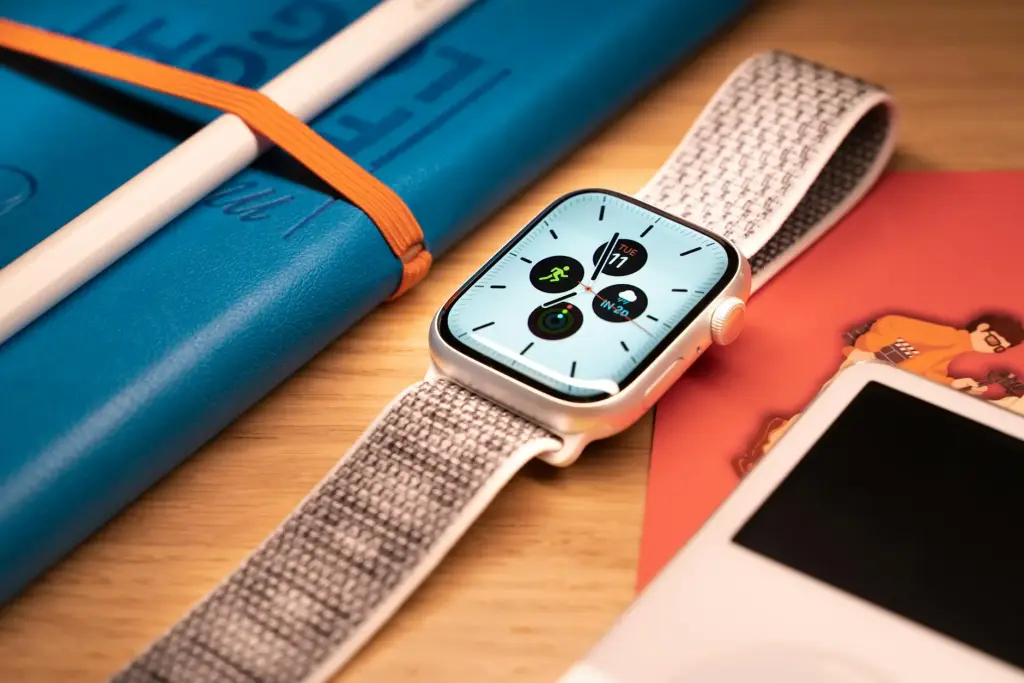
Apple AI wearables 2026 is making a major bet on artificial intelligence-powered wearables in 2026, with three innovative devices reportedly in development that could reshape how we interact with technology daily. According to Bloomberg, the tech giant is ramping up work on smart glasses, a wearable pendant, and upgraded AirPods featuring on-device AI capabilities, all centered around Siri's visual context understanding. The Apple AI wearables 2026 lineup represents the company's most ambitious push into AI-powered accessories yet.
Apple's Three-Pronged Wearables Strategy
The company's wearable AI push represents one of its most ambitious hardware initiatives in years. The smart glasses, expected to launch in 2026, will reportedly feature built-in cameras and microphones capable of understanding what the user is seeing, powered by Apple Intelligence. This positions Apple directly against Meta's Ray-Ban smart glasses and Snap's Spectacles in the emerging AI eyewear market. According to recent reports, these glasses will leverage Siri's visual context to provide real-time information about objects and scenes the user encounters. The Apple AI wearables 2026 strategy focuses on making everyday devices smarter.
The wearable pendant represents an entirely new product category for Apple. This discreet device would hang from a necklace or pocket, continuously listening and observing to provide contextual AI assistance throughout the day. Industry analysts suggest this could become the most personal AI device Apple has ever created, operating as an always-on AI companion that knows your schedule, preferences, and surroundings. The device is expected to complement Apple's existing ecosystem seamlessly.
AirPods Get Smarter with On-Device AI
Apple's AirPods are also receiving a significant AI upgrade. The new AirPods will feature on-device processing capabilities that enable real-time translation, advanced voice recognition, and contextual awareness features that were previously impossible in wireless earbuds. The recently announced AirPods Max 2 already showcases some of these capabilities with its H2 chip enabling Conversation Awareness and Live Translation features. These advancements demonstrate Apple's commitment to making AI accessible through everyday wearable devices.
The timing of these announcements is significant. Apple's product event scheduled for March 4, 2026, puts these wearables in direct competition with Snap and Meta's existing offerings. The company is clearly positioning itself to lead the emerging AI wearables category that analysts predict will be worth over $50 billion by 2028. The Apple AI wearables 2026 collection could define the next generation of personal computing.
Why Siri's Visual Context Matters
What sets Apple's approach apart is the integration of visual context into Siri's capabilities. Unlike current voice assistants that primarily respond to spoken commands, Apple's AI wearables will be able to see and understand what the user is looking at. This means Siri could identify objects, translate signs in real-time, provide contextual information about people you meet, and assist with complex visual tasks. The integration of visual AI represents a paradigm shift in human-computer interaction.
This represents a fundamental shift in how we interact with AI. Instead of asking questions, users will simply look at something and receive intelligent assistance automatically. Privacy advocates are closely watching these developments, as the devices will necessarily collect significant visual and audio data to function effectively. Apple will need to balance convenience with robust privacy protections to earn user trust.
The Race for AI Wearable Dominance
Apple isn't alone in this race. Google has announced partnerships with Warby Parker to launch AI-powered smart glasses in 2026, while Meta continues to expand its Ray-Ban collaboration. The competition is heating up as major tech companies recognize that wearables represent the next frontier for AI integration into daily life. According to TechCrunch, the market is experiencing unprecedented growth in AI-powered wearable devices.
For Gen Z consumers, these devices could transform how they engage with technology, making AI assistance feel more natural and integrated into everyday activities. From navigating unfamiliar cities to learning new languages, Apple's AI wearables promise to make advanced technology truly portable. The convenience of having AI assistance available through wearable devices could revolutionize how young people interact with information.
The question remains whether Apple's premium approach will resonate with younger consumers who have shown interest in more affordable AI devices. However, if anyone can make AI wearables mainstream, it's the company that successfully made wireless earbuds a fashion statement with the original AirPods. The Apple AI wearables 2026 lineup could mark the beginning of a new era in personal computing.
Comments 0
No comments yet. Be the first to share your thoughts!
Leave a comment
Share your thoughts. Your email will not be published.