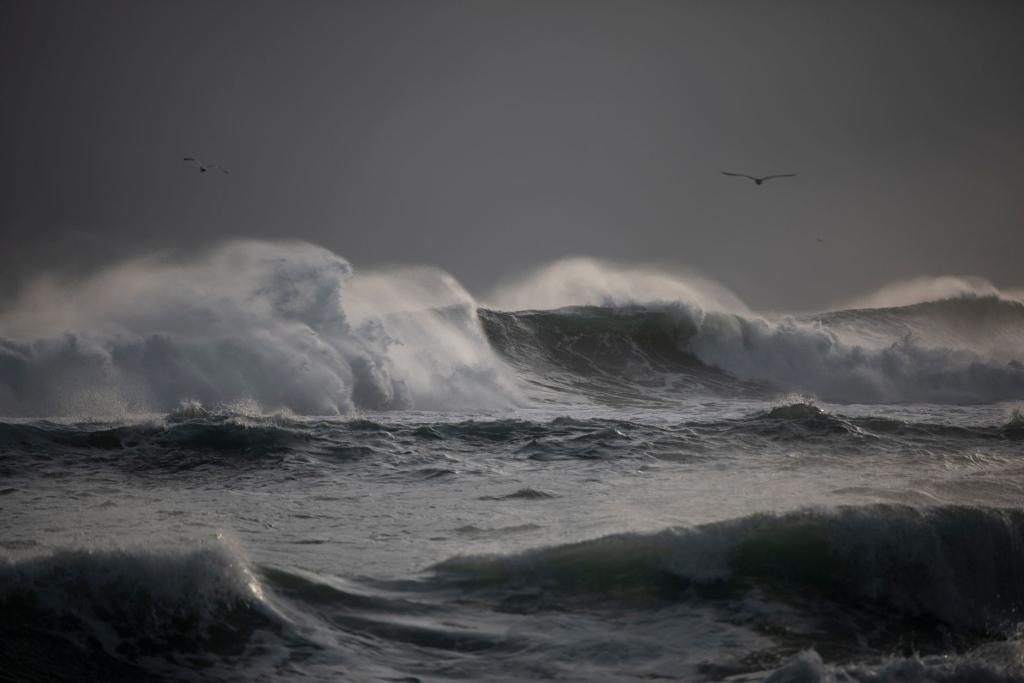
A deep layer of the Southern Hemisphere ocean is changing fast, and the Antarctic Intermediate Water shift is the reason scientists are suddenly paying attention. A new study in Nature Climate Change finds that this vast layer of fresh water has turned saltier, denser and deeper since 2016, according to the University of Melbourne.
It sounds like a niche oceanography problem. It is not. This water layer helps run the planet's climate machinery, and the researchers say the trigger is the record loss of Antarctic sea ice.
What is the Antarctic Intermediate Water?
Picture a giant layer of relatively fresh water sitting roughly seven hundred to twelve hundred metres under the surface, spread across much of the Southern Hemisphere's oceans. That is the Antarctic Intermediate Water, usually shortened to AAIW. It forms near Antarctica and then drifts north through the Atlantic, Indian and Pacific oceans.
The layer matters because it helps store carbon, supplies oxygen and drives global ocean currents. It also moves heat and freshwater around the planet, according to Xinhua.
For decades the AAIW kept getting fresher. The reason was simple: each summer, melting Antarctic sea ice poured freshwater into the ocean, which fed the layer.
The big reversal after 2016
From 1995 to 2015, summer ice melt kept the layer healthy. Then, from 2016 to 2024, the trend abruptly flipped. Less freshwater arrived, so the water became saltier, denser and deeper. The team calls it the first direct observational evidence of this change.
The study was led by Associate Professor Bishakhdatta Gayen of the University of Melbourne and the Indian Institute of Science, with doctoral student Kaushik Mishra and co-author Alberto Naveira Garabato of the University of Southampton. The paper's abstract, published in Nature Climate Change, estimates a net decline in sea-ice meltwater input of nearly thirty-six millisverdrups per decade, compared with a rise of fourteen per decade before 2016.
To spot the shift, researchers used data from the global Argo programme, a network of about four thousand robotic floats that sample the upper ocean, plus satellite and atmospheric records.
Why the speed is the scary part
Here is the detail that jumps out. Researchers said the last time the AAIW went through a similar shift was at the end of the last interglacial period, around one hundred thirty thousand years ago, when Antarctica had very little ice. Back then the transition took thousands of years. This time it has taken about two decades.
That gap is what makes scientists nervous. Natural systems can adapt to slow change, but a swing this quick leaves little room for ecosystems or climate models to catch up.
Michael Meredith, an oceanographer with the British Antarctic Survey, told Ars Technica that the Southern Ocean is the key juncture for all the world's oceans, and that the changes could have global consequences.
What it could mean for heat, carbon and sea levels
The authors say a weaker AAIW could push more excess heat deeper into the ocean and let stored carbon escape more easily. If so, existing models may be underestimating deep-ocean warming and miscalculating regional sea-level rise.
There is an honest caveat. According to AAP, the study did not look at the environmental impact of the changes or make projections. It documents what has already happened and flags what may follow.
So this is a warning flare rather than a forecast. The result does not say a disaster is certain. It says an important part of the climate system is behaving in a way nobody has directly watched before.
Why Gen Z should care
You are the generation that will live with the long tail of ocean warming and sea-level change. The Southern Ocean absorbs a huge share of human carbon dioxide emissions, so anything that disrupts it affects how fast the climate changes where you live.
The practical takeaway is that sea ice, which many people think of as a far-off polar story, is tied directly to ocean chemistry thousands of kilometres away. Follow the latest climate emergency coverage on GenZ NewZ for how scientists respond, because follow-up studies will test whether this reversal continues.
Comments 0
No comments yet. Be the first to share your thoughts!
Leave a comment
Share your thoughts. Your email will not be published.