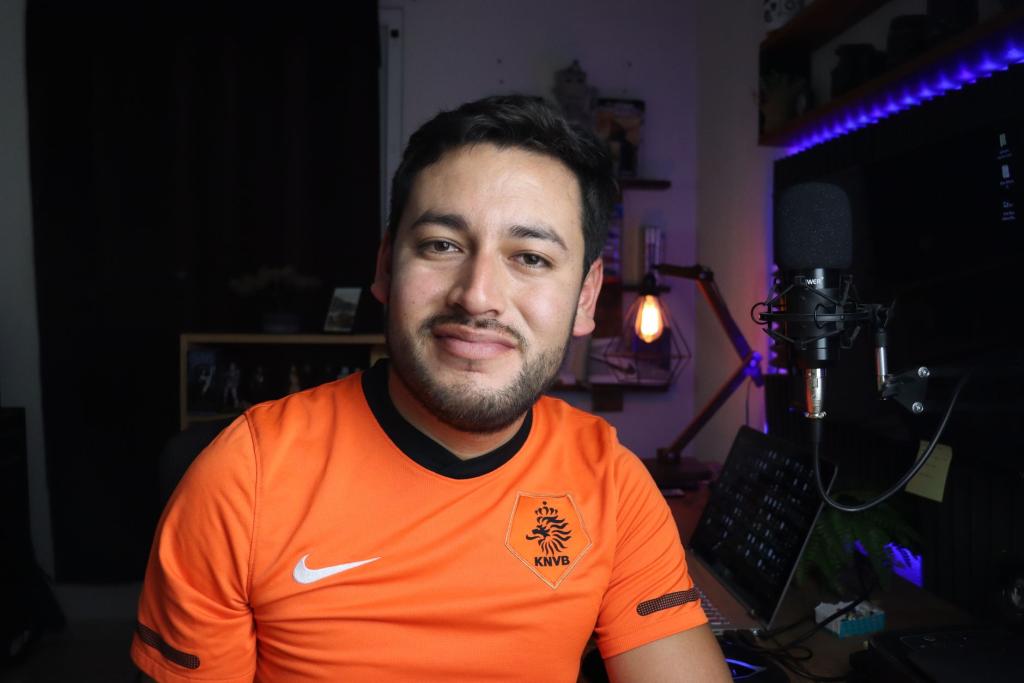
The YouTuber behind one of the platform's most-watched mystery channels is taking his former management company to California's labor regulator, in a dispute that could rewrite the rules for how creators do business with the managers who represent them. The Night Media complaint puts a familiar industry arrangement under the labor commissioner's microscope.
AJ Gentile, host of The Why Files, has filed a complaint with the California Labor Commissioner's office against Night Media, the management firm behind podcaster Theo Von and streamer Kai Cenat. According to the Night Media complaint, which was obtained by Page Six, Night Media acted as an unlicensed talent agency when it solicited brand sponsorships, endorsements, digital-media engagements and personal appearances on Gentile's behalf, in violation of the state's Talent Agencies Act.
At the center of the Night Media complaint is money. Gentile is asking the commissioner to order the return of the commissions Night Media collected from his earnings over the past year, a sum the filing puts at $743,988.
The twenty percent contract at the heart of the case
The Night Media complaint includes a copy of the exclusive representation agreement Gentile signed in March 2023, which entitled the firm to twenty percent of his earnings from everything except YouTube ad sales. California caps licensed talent agents at ten percent and requires them to hold a license under Labor Code section 1700.5. Managers, who are not licensed agents, may not procure work for clients at all, the filing argues.
That distinction is what the Night Media complaint turns on. A manager that solicits, procures and negotiates employment is acting as a de facto agency under the state's strict rules, and agreements built on that conduct can be voided from the start. Gentile's filing asks for exactly that: the contract thrown out and the past year's commissions disgorged.
The months before the Night Media complaint was filed had been tense. Gentile told Night Media in April that he was cutting ties, and the standoff reached a head in July, when he sent a demand letter to chief executive Reed Duchscher asking the company to stop collecting what he described as commissions it was not lawfully entitled to take. In the letter, reviewed by Page Six, Gentile said he has the records and resources to take the case through every appeal for as long as it takes.
Before filing the Night Media complaint, Gentile also offered a way out. He told Duchscher he would drop the matter if Night Media returned roughly three hundred seventy-five thousand dollars and stopped taking a cut of his earnings going forward, according to the report.
Why one creator's fight could reach the whole industry
The Night Media complaint lands at a moment when Hollywood is leaning harder on internet talent as traditional film and television contracts. Night Media raised seventy million dollars earlier this year, reported by The Hollywood Reporter, and counts early backing from Peter Chernin's North Road Company. Its roster has included Von and Cenat, and until he left in 2024, MrBeast. One source familiar with that departure told Page Six that there is very little love lost between the parties.
Entertainment lawyers see a precedent-setting risk for the creator economy. A lawyer not involved in the case told Page Six that once creators are defined as artists under the law, managers cannot legally procure employment for them, a shift that could upend how management firms across the industry operate. The Talent Agencies Act was written for Hollywood's studio era, and its collision with the creator economy has been quiet until now.
Gentile is already repped by the talent agency WME, with Ben Davis as his point person, alongside attorney Will Hanisch for transactional work. The Why Files has nearly six million subscribers, and individual episodes routinely pass ten million views, with one topping thirty-three million. His appearance on The Joe Rogan Experience drew nearly eight million viewers on YouTube and more than five million listeners on Spotify. The dispute is about who gets paid for procuring work, and how much.
The pressure on creators to squeeze more from every deal is not new. Platforms now sell AI tools that do the work freelancers used to get hired for, as a recent survey of the gig economy found, and management firms face the same squeeze from the other direction.
What the labor commissioner can do next
California's Labor Commissioner has real power in these fights. In prior determinations, the office has voided management agreements outright and ordered the return of commissions collected in violation of the act, with interest running at ten percent per year. A 2025 determination ordered exactly that kind of disgorgement against an unlicensed manager who procured work for an artist.
Neither Gentile's litigator, Jeffrey Neiman, nor Night Media had responded to questions about the Night Media complaint as of press time, according to Page Six. The complaint now sits with the commissioner's office, where it will be answered or set for a hearing.
Comments 0
No comments yet. Be the first to share your thoughts!
Leave a comment
Share your thoughts. Your email will not be published.