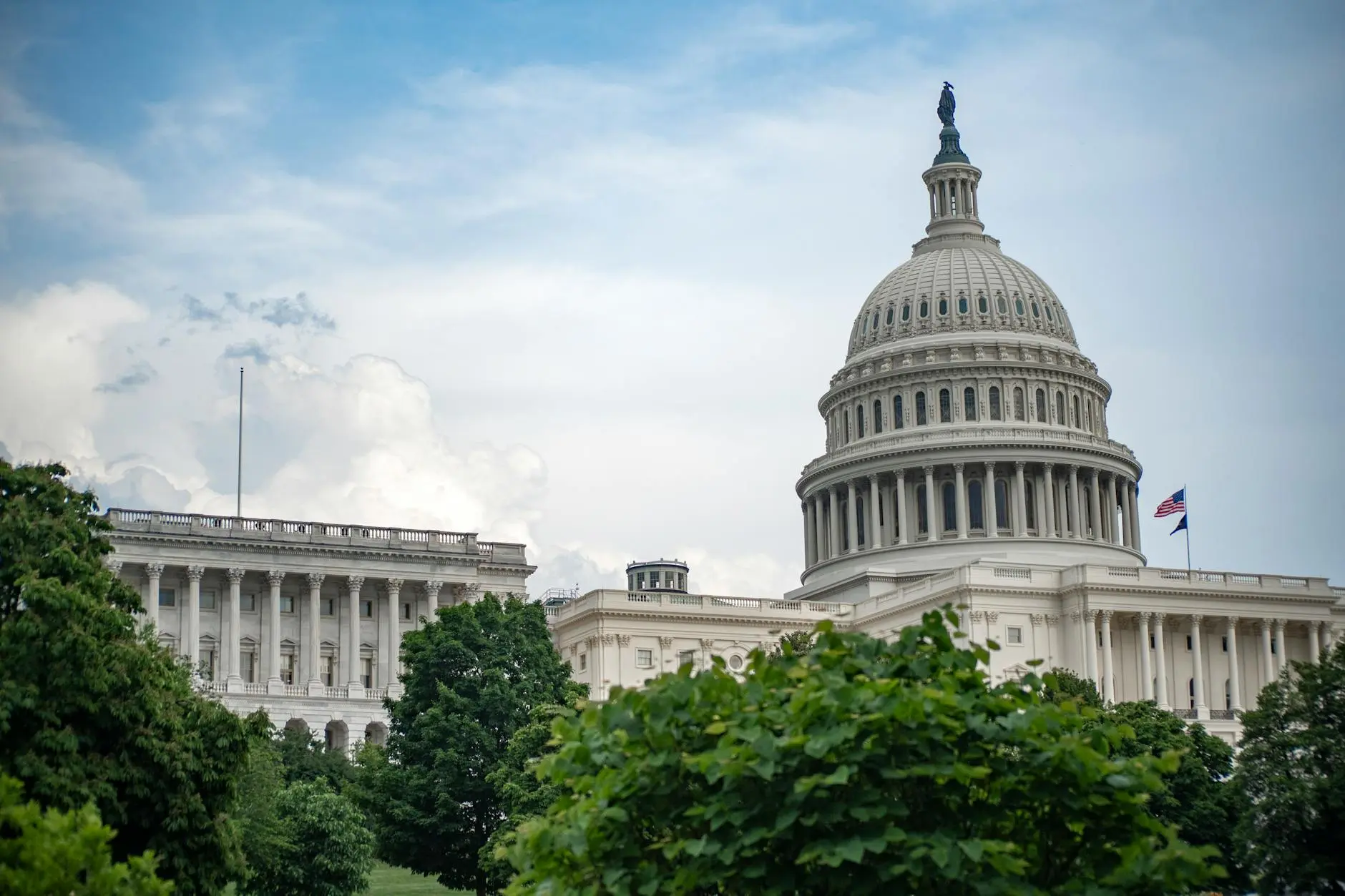
The White House and House Republicans are preparing to block state-level AI regulation in what represents the most significant federal intervention in artificial intelligence governance in recent years. This ambitious preemption effort aims to establish a unified national framework for AI oversight rather than allowing a patchwork of varying state laws that technology companies argue could fragment the industry and stifle innovation. The proposed legislation marks a pivotal moment for the future of AI governance in the United States and could have far-reaching implications for the technology sector.
According to reports from the Washington Post, the administration is crafting legislation that would prevent states from enacting their own AI regulations, arguing that inconsistent state laws would put American companies at a competitive disadvantage globally in the fierce AI race against China and other nations. The move has ignited a heated debate about federalism, innovation, and consumer protection that is likely to define tech policy for years to come.
The White House and House GOP are preparing to block state AI laws as part of a broader effort to establish federal primacy over technology regulation, according to the Washington Post. This effort includes considerations for child safety proposals that may become a key component of the federal preemption strategy.
The Case for Federal AI Regulation
Proponents of federal preemption, including major technology companies and industry groups, argue that a single national standard for AI regulation will provide essential clarity for businesses operating across state lines. Companies have long complained that navigating a maze of different state regulations is costly and inefficient, potentially limiting the deployment of beneficial AI technologies that could improve healthcare, education, and economic productivity across the nation.
The administration believes that by establishing federal guidelines, the United States can maintain its competitive edge in the global AI race. Industry groups have largely supported this approach, citing the need for regulatory certainty to drive investment and innovation. According to a recent analysis from the Thomson Reuters Institute, corporate tax departments and technology leaders have expressed growing interest in clear, consistent regulatory frameworks rather than fragmented state-by-state approaches that create compliance challenges.
The proposed federal legislation may include provisions addressing child safety concerns, which have become a central issue in AI policy debates. Reports indicate that a child safety proposal may become a key component of the federal preemption effort, addressing concerns about AI-generated content affecting minors while simultaneously blocking states from implementing potentially stricter protections that could vary significantly from state to state.
States Push Back on Federal Control
However, state attorneys general and legislators from both parties have expressed strong opposition to the federal government preempting state authority on AI matters. Several states, including California and New York, have already passed or are actively considering their own AI legislation focused on consumer protection, algorithmic accountability, and bias prevention in high-stakes decision-making processes that affect millions of citizens.
State officials argue that they are closer to their constituents and better positioned to address local concerns about AI deployment in areas such as hiring, lending, healthcare, and criminal justice. California, in particular, has positioned itself as a leader in tech regulation, with the California Privacy Rights Act and proposed AI safety legislation setting de facto national standards that many other states have followed as models for their own regulatory frameworks.
The debate over federal preemption raises fundamental questions about federalism and the appropriate level of government to regulate emerging technologies. Some policy experts warn that a one-size-fits-all federal approach may not adequately address the diverse ways AI is being deployed across different sectors and regions of the country. States like California have been at the forefront of AI safety legislation, with their proposed regulations influencing discussions at the federal level.
As the legislation moves forward, technology companies, consumer advocacy groups, and state governments will be watching closely to see how the federal government balances innovation concerns with the legitimate need for accountability and protection in an era of rapidly advancing artificial intelligence systems. The outcome of this regulatory battle will shape the future of AI development and deployment in America for decades to come.
Comments 0
No comments yet. Be the first to share your thoughts!
Leave a comment
Share your thoughts. Your email will not be published.