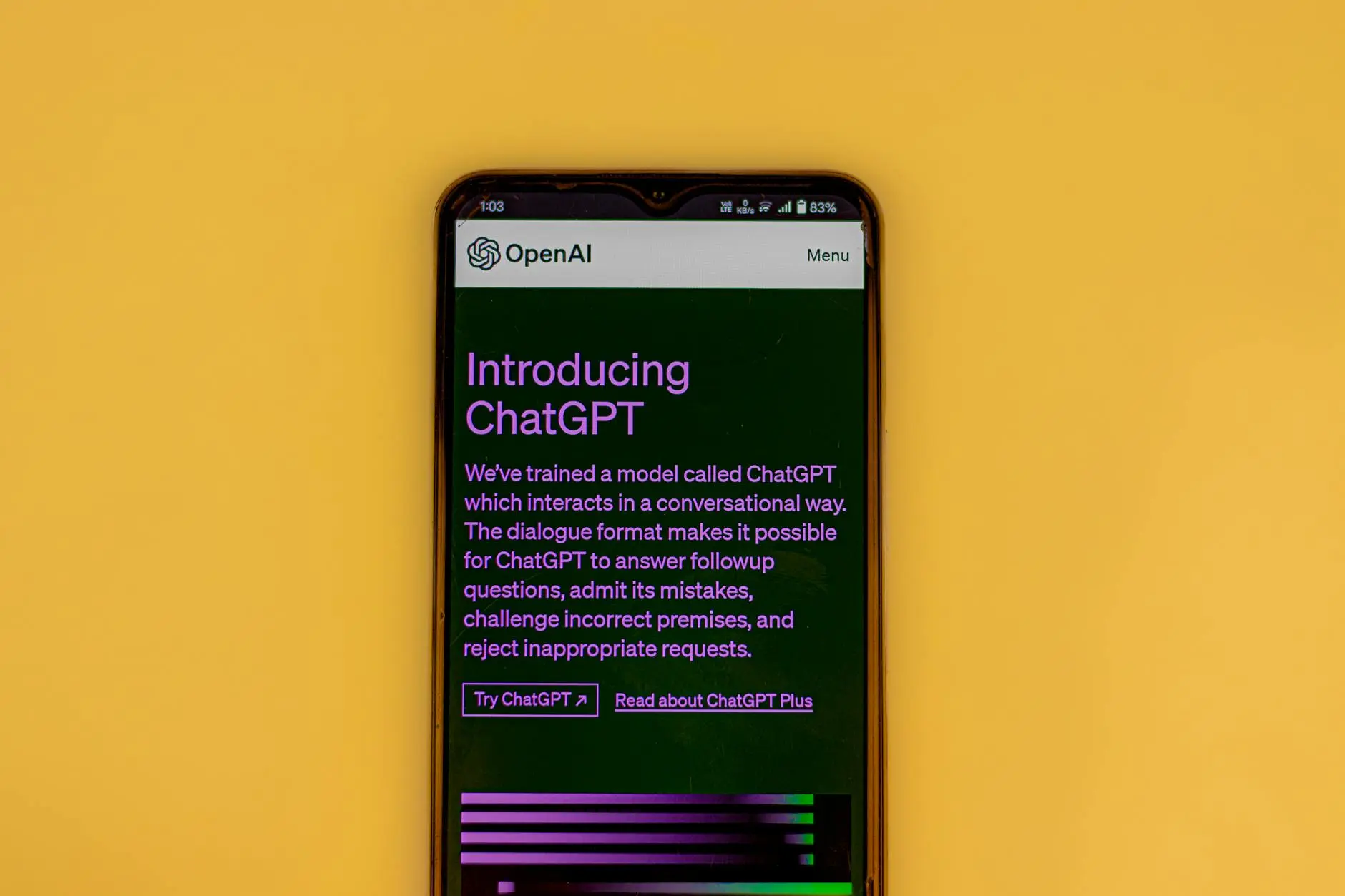
AI regulation is under scrutiny like never before. A mother is suing OpenAI, alleging that the company's ChatGPT failed to act on warning signs in the conversations of a mass shooter in Tumbler Ridge. According to reports from DesignTAXI and other outlets, the lawsuit marks a significant moment in the ongoing debate about AI regulation and the responsibilities of tech companies. The case could set a precedent for how AI systems handle potential threats in the future.
The Lawsuit: What Happened
The lawsuit, filed earlier this month, claims that OpenAI ignored red flags in the mass shooter's ChatGPT conversations. The mother of a victim argues that if the AI had flagged concerning content, authorities might have intervened before the tragedy occurred. This case is one of the first to hold an AI company directly accountable for alleged failures in detecting harmful user behavior. The legal battle will likely examine whether AI systems have a duty to warn when they detect potentially dangerous patterns in user interactions.
According to legal experts cited by Business Insider, this case could have far-reaching implications for the entire technology industry. The outcome may determine how AI companies approach content moderation and user safety in the years ahead. This represents a significant shift in how courts may view AI platform responsibilities.
The case raises questions about the scope of Section 230 protections that have historically shielded tech companies from content-related lawsuits. Some legal scholars argue that AI systems are fundamentally different from traditional platforms because they generate content rather than merely host it.
Why This Matters for Gen Z
For Gen Z, this lawsuit hits close to home. The generation grew up with AI chatbots, from ChatGPT to Claude and beyond. People use these tools for homework, coding, brainstorming, and just chatting. The idea that an AI many have come to trust might have failed to flag something serious is genuinely unsettling. It is a wake-up call about the limitations and responsibilities of the technology used daily.
According to recent surveys, over 65% of Gen Z users interact with AI tools at least once a week. This lawsuit raises the question: should AI companies be held responsible when their systems miss warning signs? Many argue that tech giants have a duty to implement better safety measures, especially when minors and vulnerable individuals are involved.
The case also highlights broader concerns about AI in the justice system. Studies show that AI systems can exhibit bias and make flawed decisions. If AI cannot reliably detect threats in text conversations, what does that mean for its reliability in other high-stakes areas like predictive policing or risk assessment?
Privacy advocates have long warned about the potential misuse of AI conversation data. This lawsuit may prompt users to reconsider what they share with AI chatbots and how companies store and analyze those conversations.
The Future of AI Regulation
This lawsuit could be a turning point for AI regulation worldwide. As reported by Forbes, the rapid trajectory of artificial intelligence has led to increased calls for responsible AI development. Additionally, MobiHealthNews covered recent discussions about AI ethics and regulation at HIMSS26, highlighting the importance of deploying AI in a responsible, human-centered way.
Lawmakers have been grappling with how to regulate AI without stifling innovation. According to experts, this case may prompt stricter requirements for AI companies to monitor and report potentially harmful content. The European Union's AI Act and similar proposed legislation in the United States could gain renewed momentum.
The technology industry is watching closely. Some companies have already implemented stricter content moderation policies, but others argue that over-regulation could limit the transformative potential of AI. The lawsuit adds fuel to the debate about whether self-regulation is enough or if government intervention is necessary.
As the legal battle unfolds, one thing is clear: the relationship between AI companies and their users is evolving. Gen Z, as the most tech-savvy generation, will be at the forefront of demanding accountability from the platforms used.
For more on AI regulation and the future of technology, check out our related articles on AI News and Tech & Games.
Comments 0
No comments yet. Be the first to share your thoughts!
Leave a comment
Share your thoughts. Your email will not be published.