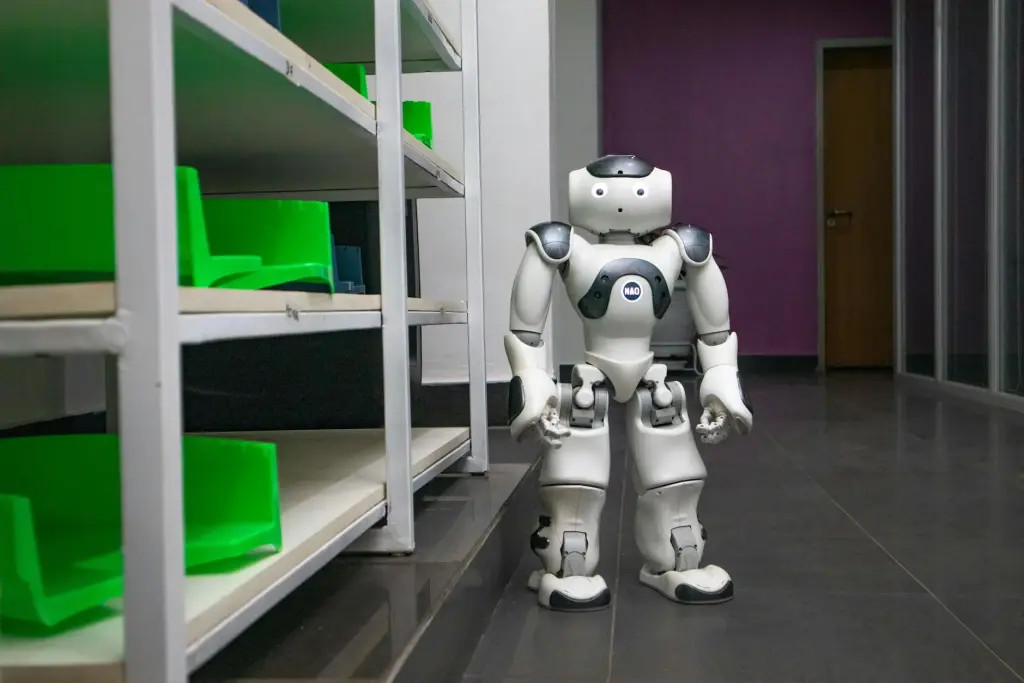
AI jobs and artificial intelligence are reshaping the workplace at an unprecedented pace, and Gen Z is entering the job market at the center of this transformation. From ChatGPT to automated coding assistants, AI tools are no longer futuristic concepts, they are everyday realities that are fundamentally changing how work gets done. According to recent research from Goldman Sachs, AI could automate 300 million full-time jobs globally while creating new AI jobs and opportunities in emerging fields. For Gen Z workers, understanding this shift is not optional, it is essential for career survival and success.
Which AI Jobs Are Most at Risk from Automation
Not all AI jobs face equal risk from automation. Roles involving routine cognitive tasks, data entry, basic customer service, and repetitive administrative work are most vulnerable. A study from the McKinsey Global Institute found that AI jobs in office support, customer service, and food service face the highest automation potential. Entry-level positions that traditionally served as stepping stones for young workers are particularly threatened, creating a challenging landscape for recent graduates seeking their first professional roles.
However, the picture is more nuanced than simple job elimination. Many AI jobs will be transformed rather than eliminated entirely. For example, graphic designers now use AI tools to generate initial concepts faster, allowing them to focus on refinement and creative direction. Writers leverage AI for research and outlining while maintaining control of final output. The key distinction lies between AI jobs that can be fully automated and those where AI serves as a productivity multiplier for human workers.
Certain AI jobs show strong resilience against automation. Healthcare roles requiring direct patient care, skilled trades like plumbing and electrical work, and creative positions demanding original thinking remain relatively protected. AI jobs requiring emotional intelligence, complex problem-solving in unpredictable environments, and human connection continue to demand human workers. Understanding these distinctions helps Gen Z make informed career decisions in an uncertain landscape.
New AI Jobs and Career Opportunities
While AI threatens existing roles, it is simultaneously creating entirely new AI jobs and career categories. Prompt engineering, AI ethics consulting, machine learning operations, and AI-human interaction design did not exist as formal professions five years ago. LinkedIn data shows that AI jobs postings increased by over 75% in the past year alone, with demand outpacing supply for skilled professionals who can bridge technical capabilities and practical applications.
Beyond technical AI jobs, artificial intelligence is generating opportunities in adjacent fields. Content creators who master AI tools can produce higher volumes of quality work. Marketing professionals who understand AI-driven analytics gain competitive advantages. Educators who incorporate AI into teaching methods prepare students for future workplaces. The common thread across these AI jobs is the combination of domain expertise with AI literacy, a skill set that makes workers more valuable, not less.
The gig economy is also evolving through AI platforms. Freelance marketplaces now use AI to match workers with AI jobs more efficiently. Creative professionals can complete projects faster using AI assistants, taking on more clients and increasing earnings. While concerns about AI replacing creative work persist, early adopters report that AI tools enhance rather than replace their capabilities, enabling them to compete more effectively in crowded marketplaces.
How Gen Z Can Prepare for AI Jobs
Preparing for AI jobs requires proactive skill development and mindset shifts. Technical literacy is now as fundamental as computer literacy was a generation ago. Understanding how AI tools work, what they can and cannot do, and how to leverage them effectively separates adaptable workers from those left behind. Free resources from platforms like Coursera, Google, and Microsoft offer accessible pathways to build AI competencies for AI jobs without formal education requirements.
Soft skills are becoming more valuable for AI jobs, not less. Critical thinking, creativity, emotional intelligence, and adaptability remain distinctly human capabilities that AI cannot replicate. Employers increasingly prioritize these skills alongside technical competencies for AI jobs. Gen Z workers who develop strong communication abilities, collaborative mindsets, and learning agility position themselves for roles where human judgment adds irreplaceable value.
Continuous learning is no longer optional for AI jobs. The half-life of professional skills continues to shrink as technology evolves faster. Workers who embrace lifelong learning, regularly updating their knowledge and adapting to new tools, maintain relevance in changing markets. Building personal learning systems creates resilience against disruption in AI jobs.
The Future of AI Jobs and Economic Transformation
Beyond individual career implications, AI jobs are driving broader economic transformation that affects entire industries and communities. Manufacturing, logistics, and retail are undergoing fundamental restructuring as AI-powered automation reduces labor needs. Geographic implications are significant, as AI enables remote work and distributed teams.
Policy responses to AI jobs disruption remain works in progress. Universal basic income experiments, reskilling programs, and educational reforms are being discussed and implemented in various forms. However, the pace of technological change often outpaces policy adaptation.
As reported by the McKinsey Global Institute and the Goldman Sachs Economic Research, AI jobs transformation is not a distant future scenario but an ongoing reality. Workers who understand these changes, develop relevant skills, and maintain adaptability will find opportunities amid disruption.
Comments 0
No comments yet. Be the first to share your thoughts!
Leave a comment
Share your thoughts. Your email will not be published.