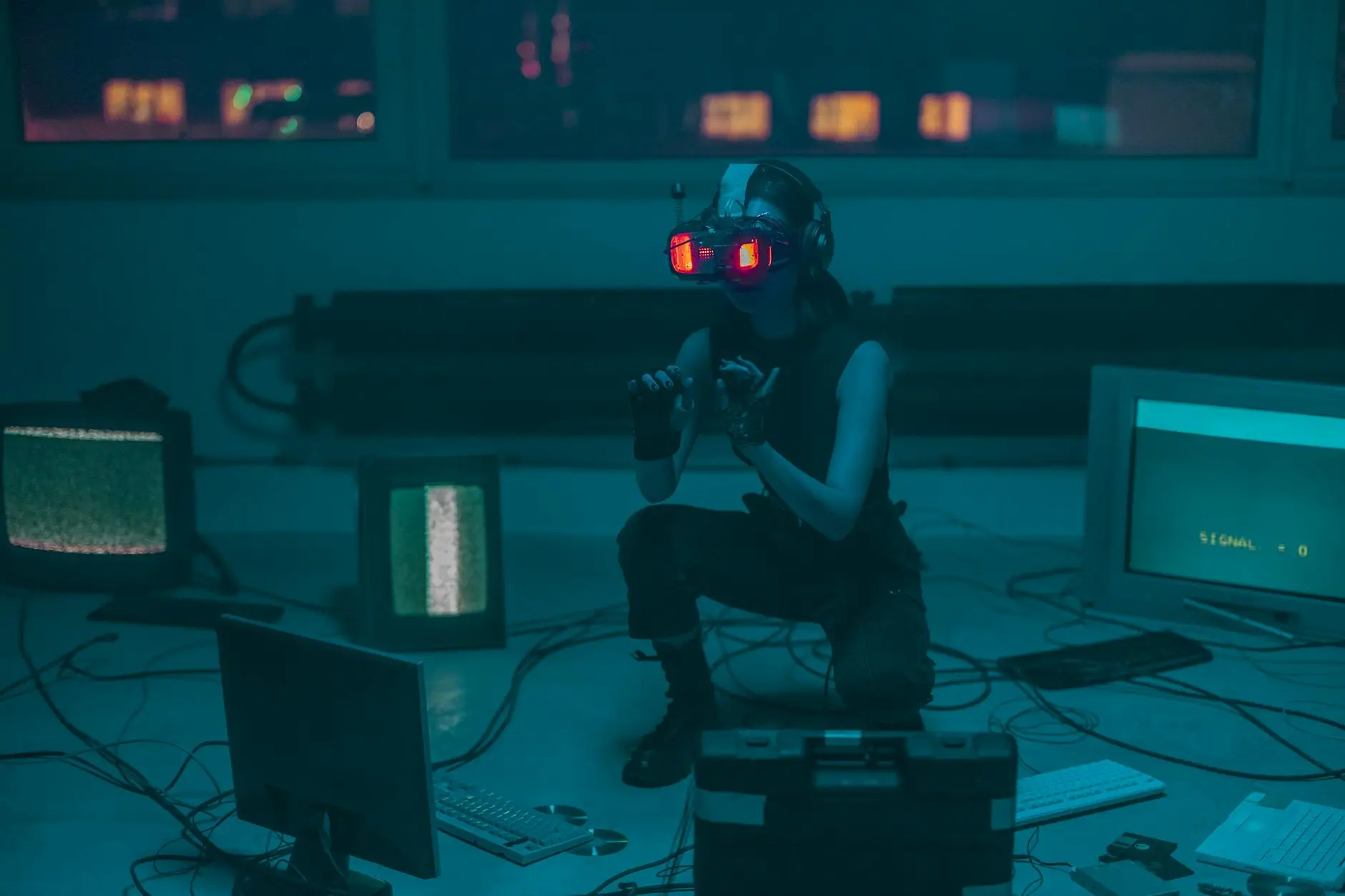
AI influencers are officially the new wild west of advertising, and honestly? It's kinda creepy. These synthetic social media personalities—complete with flawless skin, perfectly posed selfies, and millions of followers— are now pitching you supplements, and here's the wild part: they're not even real people. According to The New York Times, companies are using AI-generated influencers to sell products without disclosing that the faces you're trusting are completely fabricated. This is the kind of stuff that makes you question everything you see online.
What Even Is an AI Influencer?
Think of an AI influencer as a digital avatar that's been cooked up by computers. Companies create these fake people using generative AI, giving them personalities, backstories, and even "personal" social media accounts. One of the most talked-about examples is "Melanskia," an AI-generated personality that's been popping up on Instagram, TikTok, and Facebook promoting Modern Antidote, a wellness supplement. As reported by NBC News, these synthetic influencers are deployed across multiple platforms with no clear notice that the people in the videos are fake. It's basically influencer marketing without the human element, and it's blowing up right now. These digital creations can generate thousands of likes and comments in minutes, making them appear far more popular than many actual human creators.
Why Should Gen Z Care?
Here's the deal: you're probably following these accounts without even realizing they're not real. The algorithms don't distinguish between a flesh-and-blood influencer and a computer-generated one. When you're scrolling through TikTok or Instagram at 2 AM, those flawless faces promoting "miracle" supplements might actually be lines of code. Studies show that younger generations are increasingly skeptical of traditional advertising, but AI influencers are designed to bypass that skepticism by appearing authentic. It's basically a Trojan horse for marketing, and it's flying under the radar of most social media users.
The Federal Trade Commission has been sounding the alarm about disclosure requirements, but enforcement is basically a game of whack-a-mole. These AI companies keep spawning new fake influencers faster than regulators can track them. And let's be honest—would you even notice if someone didn't disclose they were AI? Most people probably wouldn't, and that's exactly the problem. Newser reported that AI-generated influencers are selling real supplements through these fake personas, raising serious questions about consumer protection in the age of synthetic media.
Beyond the deception factor, there's also the quality issue. When these AI influencers are pushing supplements, who's actually guaranteeing what's in those products? The AI is just a face (literally). Behind the scenes, you've got companies using these synthetic personalities to move product without any of the traditional accountability that comes with human influencers. This creates a dangerous gap where products get marketed aggressively but responsibility becomes impossibly diffuse.
The Dark Side of Fake Faces
Let's talk about what happens when things go wrong. Imagine buying supplements based on a recommendation from an AI influencer, only to have a bad reaction. Who do you sue? The company that made the product? The platform that hosted the AI? The AI itself (lol)? There's no legal framework for this yet, and that's genuinely scary. According to CNN, the rise of AI-generated content in advertising is outpacing legislation, leaving consumers vulnerable to exploitation. The regulatory vacuum means companies can experiment with increasingly aggressive marketing tactics without fear of consequences.
How to Spot Fake AI Influencers
So how do you protect yourself? First, look for inconsistencies—AI-generated images sometimes have weird hands, lighting that doesn't match, or backgrounds that feel off. Second, check if the account has any real interaction. AI influencers often have follower counts that seem inflated because... well, they are. Also, if a supplement is being pushed by someone who seems too perfect and won't answer comments directly, that's a red flag. Look for accounts that feel overly polished in a way that feels manufactured rather than authentic.
At the end of the day, the internet is evolving faster than our ability to verify what's real. AI influencers are here to stay, and as the technology gets more sophisticated, it's only going to get harder to tell the difference. Stay skeptical, stay curious, and definitely don't trust a flawless stranger selling you pills on your FYP. For more on this wild trend, check out The New York Times coverage and NBC News reporting on this phenomenon.
Comments 0
No comments yet. Be the first to share your thoughts!
Leave a comment
Share your thoughts. Your email will not be published.