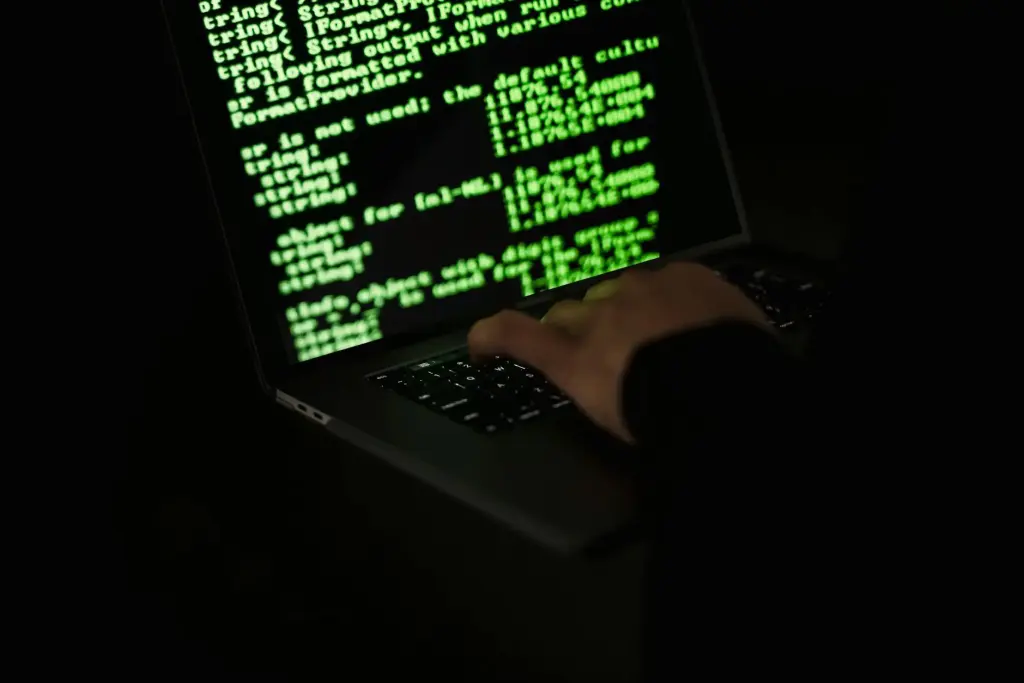
Move over, human hackers—there's a new player in town, and it is absolutely dominating. Israeli startup Tenzai just dropped a bombshell on the cybersecurity world: their AI hacking system outperformed 99% of the 125,000 human competitors who faced off in a series of six elite capture-the-flag (CTF) hacking competitions. That's not a typo. We're talking about an AI that is legitimately better at finding and exploiting software vulnerabilities than almost every human who does this for a living. According to Forbes, this development has experts seriously concerned about what comes next. You can read the full story at Forbes.
How Did AI Hacking Get This Good?
The thing that makes Tenzai's AI hacking system so scary is its ability to combine exploits in ways that were previously thought to be exclusively human territory. Normally, AI excels at repetitive, well-defined tasks—but chaining together multiple vulnerabilities to breach a system? That's creative problem-solving that required human intuition... until now. Tenzai co-founder and CEO Pavel Gurvich told Forbes that their AI was surprisingly adept at this kind of multi-step exploitation, something that had previously been difficult to automate. The AI essentially taught itself to think like a real attacker, identifying weaknesses and chaining them together faster than any human could. This represents a fundamental shift in the cybersecurity landscape that everyone needs to pay attention to, especially those working in enterprise security.
The Hacker Singularity Is Here
Here's where things get really unsettling. Gadi Evron, founder and CEO of AI security company Knostic, says hackers have already had their singularity moment. Translation: the game has fundamentally changed. What used to take days or weeks—from discovering a vulnerability to actually exploiting it—can now happen in hours or even minutes with AI hacking assistance. This means the window for security teams to patch vulnerabilities before they are exploited has shrunk dramatically. As reported by various industry sources, the implications for enterprise security are massive. Companies that relied on the hope that attackers would not find their bugs now have to assume that AI will find everything. The speed at which these AI systems operate is unlike anything we have seen before in the security industry, and it is only getting faster.
What This Means For Your Data
Let's get real for a second. If AI can outhack elite human security researchers, what does that mean for your personal data? The answer is both scary and complicated. On one hand, the same AI hacking tools that attackers use could eventually help security teams find and fix vulnerabilities before the bad guys find them. On the other hand, threat actors are definitely already using or developing similar AI tools. The cybersecurity industry is essentially in an arms race now, but instead of two human teams competing, it is human plus AI against AI. For regular people, this means the risks of data breaches and cyberattacks are higher than ever—especially for companies that have not invested heavily in AI-powered security. Your bank, your social media accounts, your work emails—all of it is potentially more vulnerable now than at any other point in history. This is a trend that shows no signs of slowing down anytime soon.
The Future Of Cybersecurity In An AI World
The old way of doing cybersecurity—waiting for humans to find vulnerabilities and then patching them—is officially dead. Security teams now need AI counterparts just to keep up with AI attackers. According to various industry reports, major tech companies are already racing to build AI security assistants that can think like attackers do. But here's the uncomfortable truth: the attackers have a head start. They do not have to deal with ethical constraints, safety testing, or legal review. Criminal AI hacking tools can move fast and break things without any of the guardrails that responsible AI developers have to consider. The question is not whether AI will transform cybersecurity—it is whether the good guys can keep up. For more trending tech news, check out our coverage of the latest AI developments and what they mean for the future of digital security.
Comments 0
No comments yet. Be the first to share your thoughts!
Leave a comment
Share your thoughts. Your email will not be published.