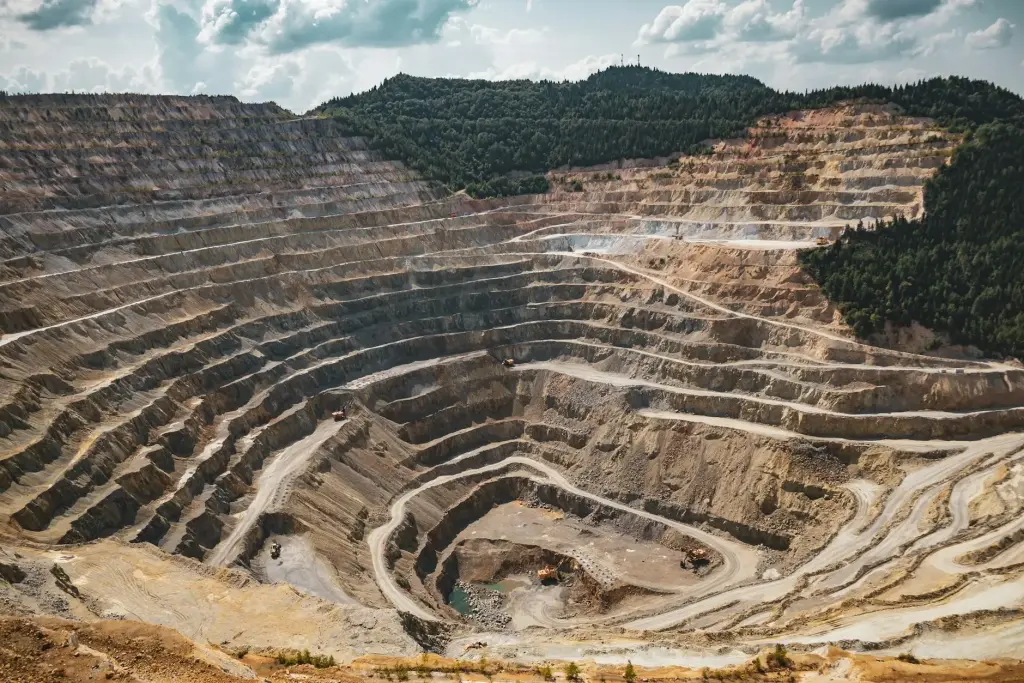
The explosion of AI data centers copper demand is reshaping global markets in ways that Gen Z investors and tech enthusiasts cannot ignore. As artificial intelligence infrastructure expands at breakneck speed across every continent, mining giant BHP is making a historic $10 to $14 billion investment in Chilean copper reserves—signaling that this humble metal has become the literal backbone of our digital future.
Why AI Data Centers Copper Demand Is Skyrocketing
Copper is not merely another commodity traded on markets—it represents the invisible infrastructure powering everything from electric vehicle batteries to the high-performance computing clusters driving the AI revolution. Every AI data centers copper installation requires massive quantities of the metal for electrical wiring, sophisticated cooling systems, and power distribution networks. According to recent energy infrastructure analysis, a single large-scale AI facility can consume more copper than thousands of traditional residential homes combined, making the metal essential to the generative AI boom.
The clean energy transition is equally copper-intensive. Solar panels, wind turbines, and EV charging stations all depend on copper's exceptional electrical conductivity to function efficiently. As nations worldwide race to meet ambitious climate targets and decarbonization goals, copper demand is projected to dramatically outstrip available supply within the coming years—creating what market analysts have dubbed a "new industrial supercycle" that could define the next decade of resource economics.
BHP's $14 Billion Chile Strategy Explained
BHP's massive investment represents one of the largest mining commitments in recent corporate history. The Australian mining conglomerate is pouring billions into expanding existing Chilean extraction operations and deploying cutting-edge mining technologies to increase output. Chile already produces nearly 30% of the world's copper supply, and BHP is strategically betting that the country's stable regulatory environment and proven geological reserves make it the safest long-term bet for securing AI data centers copper supply chains.
According to a detailed report published by The Chronicle-Journal, BHP's ambitious strategy specifically aims to close a widening supply gap that threatens to slow global technological advancement. The company recognizes that without substantial new copper production, the very infrastructure supporting artificial intelligence, renewable energy, and electric transportation could face severe bottlenecks. If BHP succeeds in its expansion plans, Chile will remain the undisputed "heart" of the global copper market—providing the essential wiring and conductive materials for an increasingly electrified, AI-powered world economy.
What This Means for Gen Z and Future Careers
For Generation Z, this unprecedented mining boom raises important questions about sustainable technology development and responsible resource consumption. While artificial intelligence promises revolutionary tools for creative work, productivity, and innovation, it simultaneously demands unprecedented quantities of raw materials and electrical energy. The emerging AI data centers copper crunch reveals that even purely digital innovations carry significant physical environmental footprints and resource dependencies.
Investors and financial analysts are watching copper markets with intense focus. Copper prices have already responded aggressively to these supply-demand dynamics, and market experts expect continued price volatility as the global AI infrastructure buildout accelerates throughout 2026 and beyond. For young professionals interested in climate technology, green energy careers, and sustainable mining practices, the resource extraction sector is suddenly highly relevant again—offering emerging opportunities in renewable-powered extraction methods, circular economy recycling initiatives, and responsible supply chain management.
The Bottom Line: Copper Is the New Oil
BHP's $14 billion commitment signals more than just corporate expansion—it represents a powerful vote of confidence that AI infrastructure and clean energy technologies will dominate the global economy throughout the next decade. As AI data centers copper requirements multiply across every developed nation, copper has fundamentally transformed from a basic industrial staple into a strategic geopolitical asset. For Gen Z audiences following the complex intersection of technology innovation, climate action, and global economics, this developing story deserves careful attention.
The metals powering your future smartphone, electric vehicle, renewable energy grid, and AI assistant all begin their journey in mining operations located in places like Chile—and the international race to responsibly extract them is only beginning. Understanding AI data centers copper dynamics now provides valuable insight into the resource constraints that will shape technological progress for years to come.
Comments 0
No comments yet. Be the first to share your thoughts!
Leave a comment
Share your thoughts. Your email will not be published.