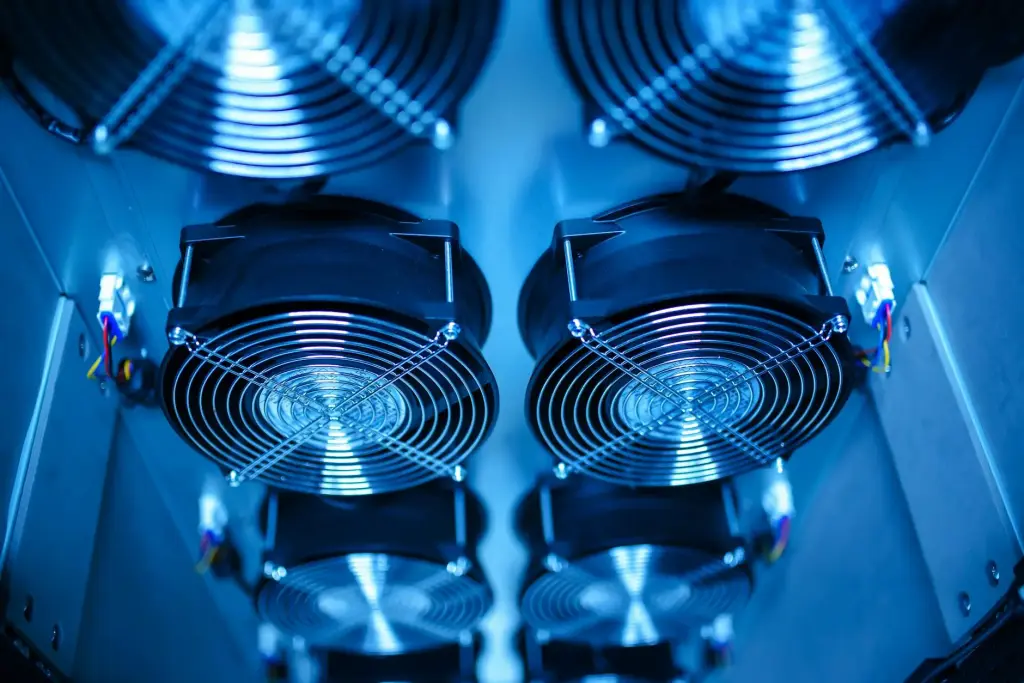
The artificial intelligence revolution is creating an unexpected side effect that will impact every American household. AI data center energy consumption is pushing United States electricity demand toward its strongest four-year growth since 2000, according to the U.S. Energy Information Administration. The nation is set to hit record power consumption through 2027, driven almost entirely by the massive computing facilities powering AI models like ChatGPT, Claude, and Gemini. This surge represents a fundamental shift in how the country generates and distributes electricity, with implications for prices, grid stability, and the transition to renewable energy sources.
The numbers are staggering and unprecedented in recent history. The EIA reported that American electricity consumption will climb to new records in 2026 and 2027, marking what energy analysts describe as the strongest four-year growth period since the turn of the millennium. This demand is not coming from traditional sources like industrial manufacturing or residential heating. Instead, it is being driven by the explosive expansion of artificial intelligence infrastructure and the large computing centers that make modern AI possible. Every query to an AI model, every image generated, and every video created requires substantial computing power that translates directly into electricity consumption and rising AI data center energy consumption figures.
Why AI Data Centers Consume So Much Power
Modern AI data centers are among the most energy-intensive facilities ever built. Unlike traditional server farms that primarily stored and transmitted data, AI computing centers run complex mathematical operations on specialized chips that draw enormous amounts of electricity. A single AI training run for a large language model can consume as much power as several hundred homes use in an entire year. Once trained, these models continue consuming significant energy with every user interaction as they process queries and generate responses in real-time.
The scale of current construction reflects industry expectations about future AI data center energy consumption. Tech giants including Google, Amazon, Microsoft, and Meta are investing billions of dollars in new AI-focused data centers across the United States. These facilities require not just computing hardware but extensive cooling systems, backup power generation, and specialized electrical infrastructure. The combination of computational load and cooling requirements makes AI data centers significantly more power-hungry than their predecessors. According to industry analysis from Prism News, the current building boom shows no signs of slowing as companies race to secure competitive advantages in artificial intelligence capabilities.
Impact on Electricity Prices and Grid Stability
The surge in AI data center energy consumption is already affecting electricity markets in measurable ways. Regional grid operators are scrambling to accommodate new demand from data center construction while maintaining reliability for existing customers. In some areas, utilities have announced multi-billion dollar infrastructure investments to upgrade transmission lines and build new generation capacity specifically to serve tech sector customers.
The economic implications extend beyond infrastructure investments. In competitive electricity markets, increased demand typically translates into higher prices for all consumers. Retail electricity prices have already increased faster than inflation since 2022, according to EIA reports, and analysts expect this trend to continue through 2026. The concentration of data centers in certain regions, particularly Virginia's Data Center Alley and parts of Texas, is creating localized strain on grid infrastructure that requires immediate attention from utilities and regulators.
The challenge becomes more complex when considering climate commitments. Many tech companies have pledged to power their operations with renewable energy, but the speed of AI data center expansion is outpacing the deployment of new solar and wind projects. This creates a tension between the desire for clean computing and the immediate need for reliable power. Some utilities are extending the life of natural gas plants or considering new fossil fuel generation to meet data center demand, potentially undermining broader decarbonization goals.
What This Means for Gen Z
For Gen Z, the AI data center energy consumption surge represents both opportunity and challenge. Career opportunities are emerging in fields that bridge technology and energy management, from data center design and optimization to grid modernization and renewable energy integration. Companies are increasingly hiring professionals who understand both computing requirements and energy systems, creating new hybrid roles that did not exist a decade ago.
However, there are also concerns about sustainability and environmental impact. The generation most vocal about climate change is watching closely to see whether tech companies will honor their renewable energy commitments or whether AI development will come at the cost of increased carbon emissions. Some advocacy groups are calling for greater transparency about AI data center energy consumption and requirements that new facilities be powered by additional renewable capacity rather than displacing existing clean energy supplies.
The situation also highlights infrastructure vulnerabilities that could affect daily life. As grids strain to accommodate new demand, the risk of blackouts or brownouts increases during peak periods. Policymakers are beginning to grapple with questions about who should bear the costs of grid upgrades and whether data centers should face special requirements given their extraordinary energy needs. For young people entering the workforce and housing markets, electricity prices influenced by AI demand could affect cost-of-living calculations in ways previous generations did not experience.
Source: Prism News reporting on EIA data showing AI data center impact on US electricity demand.
Comments 0
No comments yet. Be the first to share your thoughts!
Leave a comment
Share your thoughts. Your email will not be published.