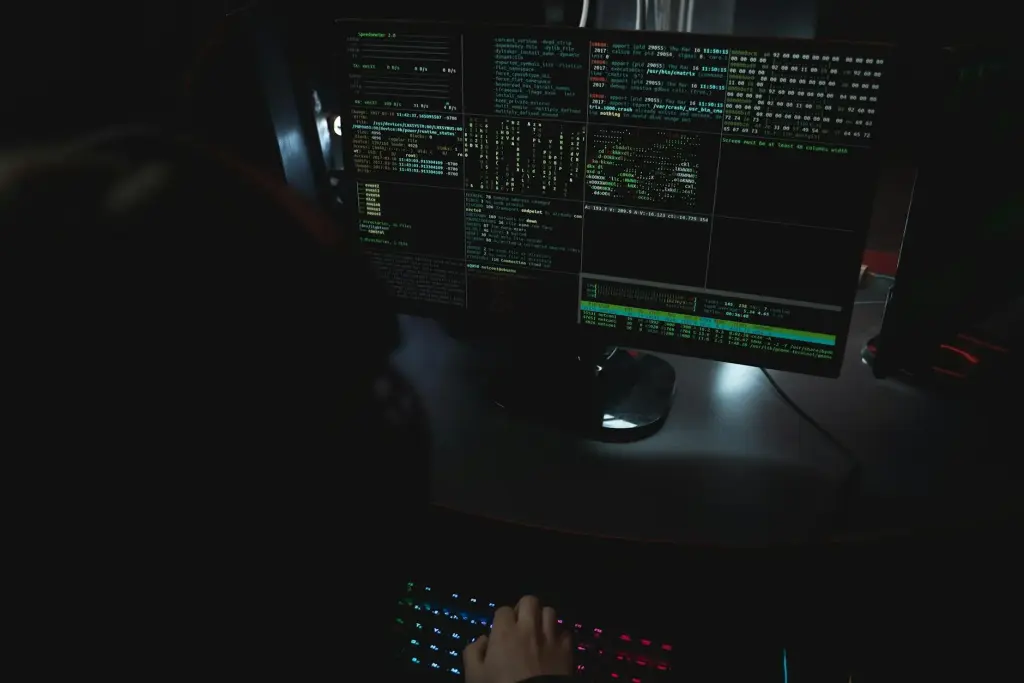
The cybersecurity landscape just got a major reality check. According to reports by Forbes, an AI system developed by Israeli startup Tenzai just dominated six elite capture-the-flag (CTF) hacking competitions, outperforming 99% of the 125,000 human competitors worldwide. This groundbreaking achievement in AI cybersecurity marks what experts are calling the singularity moment for AI in cybersecurity.
The Rise of AI Hackers
Tenzais AI cybersecurity breakthrough didnt just participate in these competitions—it absolutely crushed them. The system demonstrated an unprecedented ability to combine exploits for software vulnerabilities, something that had previously been extremely difficult to automate. Pavel Gurvich, Tenzais cofounder and CEO, told Forbes that the AI was surprisingly adept at finding and chaining together security flaws in ways that even experienced human hackers could not match.
This is not just a cool party trick either. The implications for the AI cybersecurity industry are massive. Gadi Evron, founder of AI security company Knostic, explained that hackers have reached their singularity moment—the point where AI can do in minutes what used to take days or weeks of manual effort. According to cybersecurity experts at various security firms, this shift is fundamentally changing how we think about digital defense.
What This Means for Cyber Defense
Here is where it gets interesting for businesses and individuals alike. If AI can beat 99% of human hackers at their own game, it can also potentially defend against those same threats. Enterprise security teams are now exploring how these AI systems can be deployed to identify vulnerabilities before malicious actors can exploit them. Nvidia reported on the broader implications of AI in enterprise security at their recent GTC conference.
The Pentagon has already taken notice, reportedly spending millions on AI hackers as part of their cybersecurity strategy. This military investment signals just how serious the stakes have become in the ongoing battle between offense and defense in cyberspace. As reported by security researchers, the dual-use nature of AI cybersecurity tools creates both unprecedented opportunities and challenges for organizations worldwide.
However, there is a double-edged sword here. The same technology that protects can also be used to attack. Security researchers warn that cybercriminals are already deploying AI-powered tools to automate their attacks, creating self-replicating botnets and sophisticated phishing campaigns that are harder to detect than ever before. Forbes reports that these AI-driven attacks are becoming increasingly sophisticated and automated.
The Gen Z Connection
For younger generations growing up in this AI-driven world, this news is both terrifying and exciting. Gen Z, who are about to enter the workforce, need to understand that AI literacy is not optional anymore—it is essential. The cybersecurity jobs of the future will require people who can work alongside AI systems, not against them. Understanding AI cybersecurity fundamentals will be as important as knowing how to use a computer.
Colleges and universities are scrambling to update their curricula to include AI ethics, machine learning fundamentals, and cybersecurity basics. But many experts argue that practical experience through CTF competitions and hackathons remains the best way to develop real-world skills. Studies show that hands-on experience remains the gold standard for developing cybersecurity expertise in an AI-augmented world.
The rise of AI hackers also raises important questions about the future of bug bounties and ethical hacking. If AI can find vulnerabilities automatically, what role is there for human bounty hunters? The answer seems to be evolving toward more strategic roles—using AI tools while providing the critical thinking and creativity that machines still lack. Many organizations are already restructuring their security teams to include AI specialists alongside traditional penetration testers.
As we move forward, the collaboration between human intuition and AI processing power will define the next generation of cybersecurity. The key is learning to work with these powerful tools while understanding their limitations. For Gen Z entering this field, now is the time to embrace AI as a partner rather than a replacement. The future of AI cybersecurity is being written now, and those who understand this technology will be the ones shaping it.
Comments 0
No comments yet. Be the first to share your thoughts!
Leave a comment
Share your thoughts. Your email will not be published.