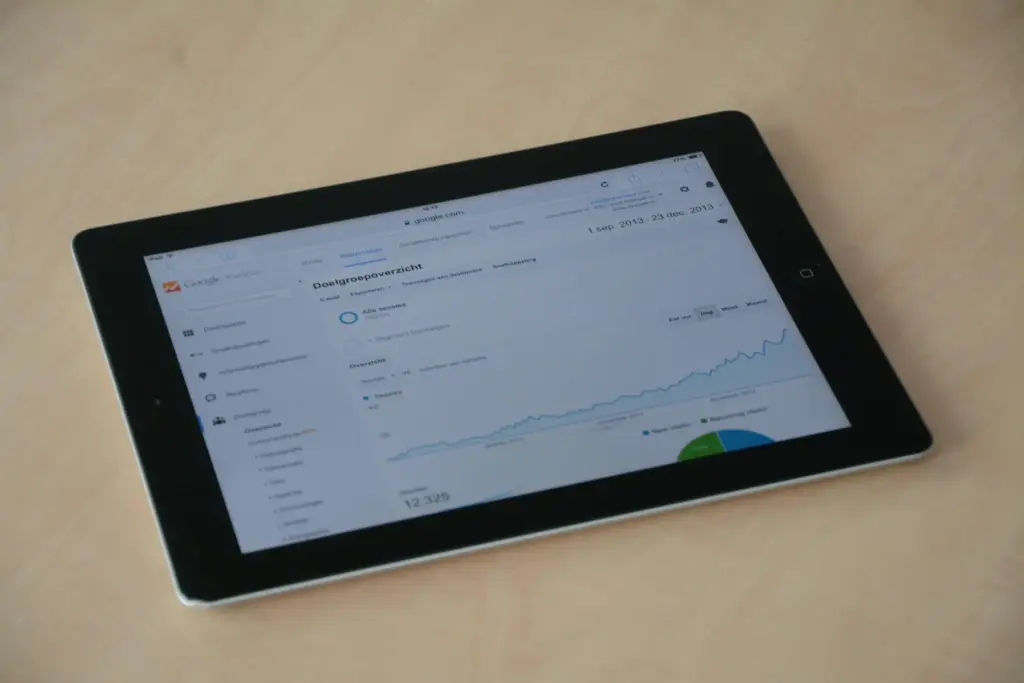
AI-augmented decision making has become the defining business trend of 2026, fundamentally transforming how companies operate, compete, and grow. No longer just a cost-cutting automation tool, AI is now embedded as a strategic partner in core business processes across industries.
From Automation to Intelligence
The shift from basic automation to AI-augmented decision making represents a quantum leap in how businesses leverage technology. Companies are moving beyond simply automating repetitive tasks to embedding machine-learning tools and generative AI assistants into strategic decision-making processes.
According to the U.S. Chamber of Commerce, 70% or more of small and medium businesses are now using AI tools regularly, and among those not yet using them, over half are considering adoption. This widespread integration signals that AI-augmented decision making is no longer optional—it's essential for competitiveness.
Real-Time Business Intelligence
Modern AI-augmented decision making systems process vast amounts of data in real-time, enabling businesses to:
- Model demand with unprecedented accuracy
- Automate supply-chain decisions based on live data
- Personalize customer journeys instantly
- Adjust pricing dynamically based on market signals
- Predict maintenance needs before failures occur
One major U.S. retailer uses AI to dynamically adjust pricing and promotions based on supply-chain signals and consumer behavior across states, cutting inventory holding costs by an estimated 8–10%.
Human-AI Collaboration
The most successful implementations of AI-augmented decision making treat AI as a partner rather than a replacement for human judgment. This collaborative approach combines AI's data processing capabilities with human creativity, empathy, and strategic thinking.
As IBM's Distinguished Engineer Chris Hay notes, "I really see the parallels of music production à la Rick Rubin style with AI creation. I don't limit it to coding. I think we will all become AI composers, whether you're a marketer, programmer or PM."
Industry Transformations
Retail and E-Commerce
Companies using AI-augmented decision making are achieving 15% higher basket sizes through personalized offers delivered via mobile apps as customers enter stores. Purchase behavior, location data, and browser-history signals combine to create truly individualized experiences.
Manufacturing
Predictive analytics powered by AI are reducing downtime, optimizing production schedules, and improving quality control. Manufacturers report significant cost savings and efficiency gains from AI-driven decision systems.
Financial Services
Banks and insurance companies use AI-augmented decision making for risk assessment, fraud detection, and investment strategies. These systems can analyze millions of data points to identify patterns humans would miss.
Healthcare
Medical institutions are deploying AI to assist in diagnosis, treatment planning, and resource allocation. AI systems analyze patient data to recommend personalized treatment options and predict health outcomes.
The SMB Advantage
Small and medium businesses are particularly benefiting from AI-augmented decision making. Cloud-based AI tools have democratized access to capabilities that were once available only to large enterprises with massive IT budgets.
According to market research, 81% of SMB leaders feel optimistic about their future because they're investing in AI and automation tools to drive competitiveness. The differentiator in 2026 is not just having AI, but how companies integrate it with human judgment.
Challenges and Considerations
Despite the benefits, AI-augmented decision making comes with challenges:
- Data Quality: AI systems are only as good as the data they learn from
- Bias: Algorithms can perpetuate or amplify existing biases
- Transparency: Understanding how AI makes decisions remains difficult
- Security: AI systems require robust cybersecurity measures
- Skills Gap: Organizations need employees who can work effectively with AI
The Future of Work
AI-augmented decision making is reshaping job roles across industries. Rather than replacing workers, AI is augmenting human capabilities and creating new types of jobs focused on managing, interpreting, and acting on AI-generated insights.
For Gen Z entering the workforce, familiarity with AI tools and the ability to collaborate with intelligent systems will be essential skills. The most successful professionals will be those who can leverage AI to enhance their own expertise and judgment.
Getting Started with AI-Augmented Decisions
For businesses looking to implement AI-augmented decision making, experts recommend:
- Start with specific, well-defined problems
- Ensure data quality and accessibility
- Invest in employee training and change management
- Establish clear governance and ethical guidelines
- Measure results and iterate continuously
The Competitive Imperative
Companies that treat AI as strategic will pull ahead; those who treat it purely as cost-cutting may find themselves stuck. In 2026, AI-augmented decision making has become the new baseline for business competitiveness.
As one industry analyst noted, "Embracing this trend is essential. Companies that successfully integrate AI with human judgment are seeing measurable improvements in efficiency, customer satisfaction, and profitability."
Learn more about business trends in our Business section and explore AI developments shaping the future.
Comments 0
No comments yet. Be the first to share your thoughts!
Leave a comment
Share your thoughts. Your email will not be published.