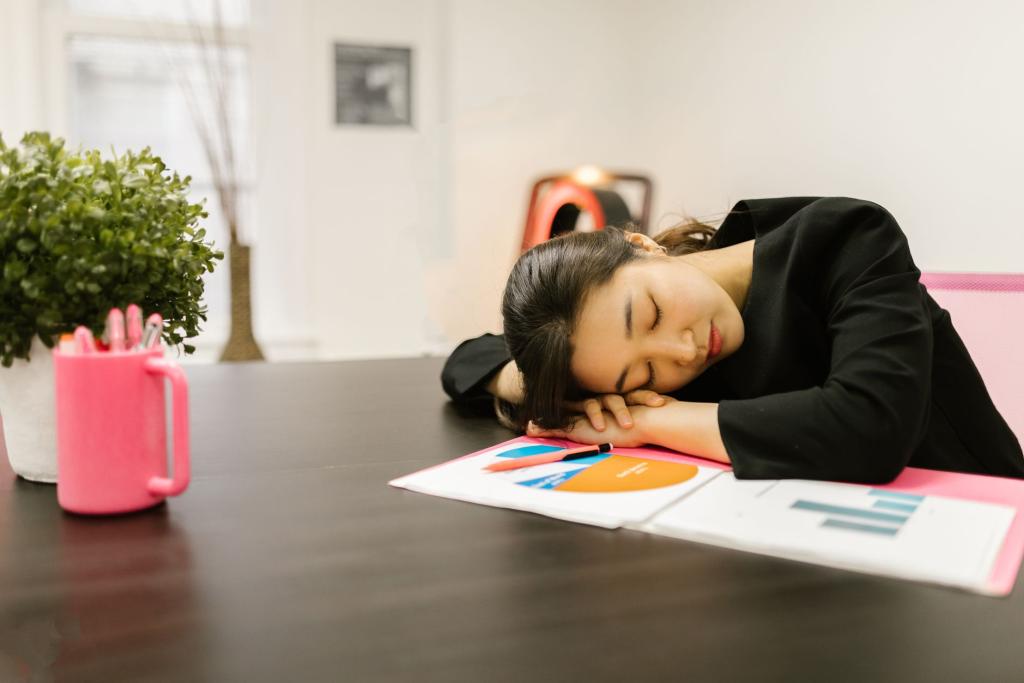
A new survey of 1,000 Singapore workers finds that 97% say their productivity drops after a poor night's sleep. The study, titled "Sleeping Enough, Waking Up Tired: The Hidden Cost of Sleep Apnea Risk in Singapore's Workforce," was published by Easmed and The Air Station and reported by Human Resources Online. According to the survey, more than half of the respondents, 58%, estimated that their performance falls by more than 20% when they sleep badly.
Fieldwork ran online from July 4 to 17, 2026, polling office-based adults in Singapore aged 30 to 60. Its findings point to a substantial gap between how much sleep workers get, what they understand about sleep health, and whether they seek help for it.
A 1.1-hour nightly sleep gap
Respondents reported sleeping an average of 6.3 hours per night, while saying they need 7.4 hours to feel refreshed. That leaves a nightly shortfall of 1.1 hours. Poor sleep was linked to weaker concentration and decision-making, and daytime fatigue made routine work harder to manage.
Tiredness has become normalized. Half of the respondents said daytime sleepiness is simply part of a busy working life. Nearly one in five continued to associate needing little sleep with a strong work ethic, even though more than 80% agreed that sacrificing sleep is not a virtue.
One in four flagged for possible sleep apnea
Nearly one in four office workers, 24%, screened at intermediate to high risk of sleep apnea, a condition in which the upper airway repeatedly relaxes and collapses during sleep, briefly cutting off breathing and oxygen flow. The brain wakes the body just enough to restart breathing, often without the person noticing. These interruptions fragment sleep, causing loud snoring, gasping, unrefreshing sleep, and severe daytime exhaustion.
The survey turned up a counterintuitive detail: respondents at the highest risk of sleep apnea reported spending more time in bed than lower-risk respondents, 6.68 hours per night compared with 6.30 hours. More time in bed did not translate into better rest when breathing was repeatedly disrupted through the night.
Those at greatest risk also appeared least likely to recognize the cost. High-risk respondents were more than twice as likely as low-risk respondents to say poor sleep had no impact on their productivity, at 8% versus 2.5%.
Misconceptions that delay treatment
Several beliefs may be keeping workers from getting assessed. A quarter of Singapore workers surveyed thought brief pauses in breathing during sleep are harmless, and 24% believed loud, regular snoring is a sign of deep and healthy sleep. Among high-risk workers, these misconceptions were more common: 52% believed loud snoring was healthy, and 54% considered breathing interruptions harmless.
Awareness of the condition itself remains limited. Six in 10 respondents said they had either never heard of sleep apnea or only knew its name. Meanwhile, 56% had never evaluated their sleep quality through a doctor, an app, or a diagnostic test. For those who had not sought assessment, cost and uncertainty were the main barriers: 51% cited the cost of diagnosis or treatment, and 36% said they did not know where to seek help.
What workers want from employers
When asked what sleep-related support they wanted at work, 72% named flexible working hours, the most requested option. More direct measures also drew support: 37% wanted subsidized sleep screening, and 21% wanted targeted sleep-health education. The report cautions that flexible schedules may help workers get more rest but cannot resolve underlying clinical conditions such as sleep apnea.
Dr Phua Chu Qin, senior consultant in otolaryngology and director of sleep surgery at Sengkang General Hospital, said the survey's productivity findings show that sleep is not simply a lifestyle issue. She said Singaporeans need to stop normalizing poor sleep and persistent daytime fatigue and start recognizing when poor sleep warrants assessment.
Yvonne Loo, group director at Easmed, said sleep health should be treated as a workplace health issue, one that directly affects safety, decision-making, and long-term cardiovascular health.
The Singapore Workforce Sleep Survey 2026 polled working adults aged 30 to 60 with an equal gender split. All respondents were tertiary educated and worked in office-based or primarily office-based roles. Fieldwork was conducted online from July 4 to 17, 2026, through Milieu's proprietary survey community.
Comments 0
No comments yet. Be the first to share your thoughts!
Leave a comment
Share your thoughts. Your email will not be published.