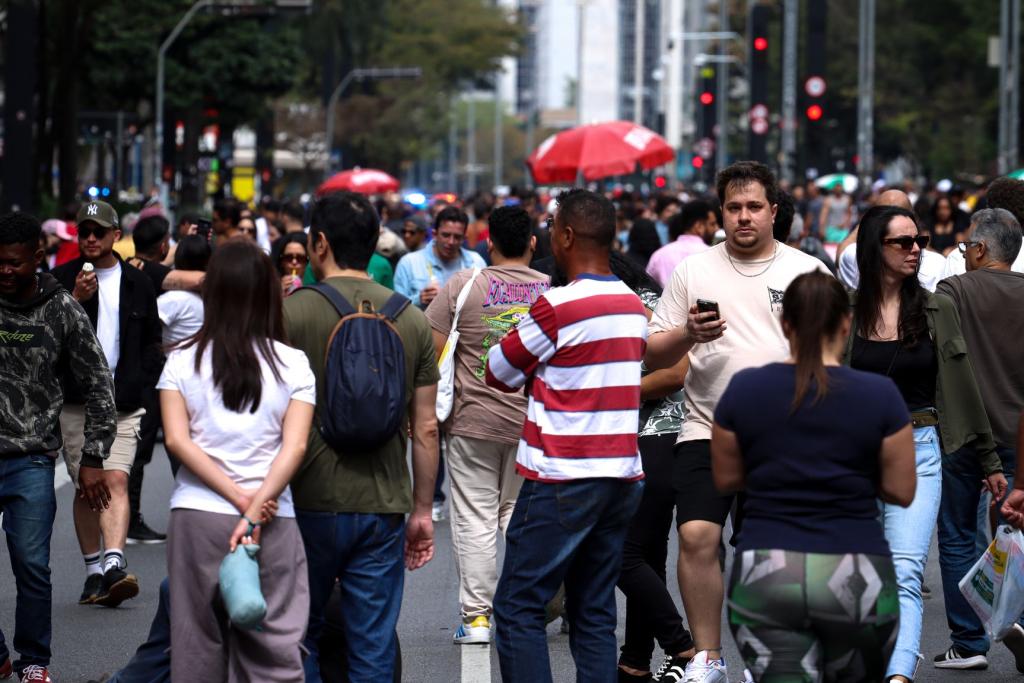
Extreme heat driven by a record-breaking El Niño could cause nearly half a million heat deaths worldwide by February 2027, according to a new report from the Climate Impact Lab at the University of Chicago. The projection, released on September 23, 2026, counts only deaths caused by hotter-than-normal temperatures and sits on top of the usual toll from heat, which is already the deadliest form of extreme weather.
The researchers say this year's event has crossed into super-sized territory. El Niño, the natural warming of the Pacific Ocean that pushes global temperatures higher, is now on track to become the strongest on record, arriving on top of the steady warming caused by greenhouse gas pollution.
Where the deaths would fall
The heaviest toll is projected in Africa's Sahel region, where an additional 66,800 deaths are expected across the six months from September 2026 through February 2027. Nigeria would suffer the most of any country, with an estimated 31,400 heat deaths, followed by Sudan with 17,600, Reuters reported. Niger and Chad are also expected to see thousands more heat deaths.
Southeast Asia is the next hardest-hit region. The report projects about 19,300 extra deaths in Indonesia and 19,400 combined across the Philippines, Vietnam, Thailand, and Cambodia. The researchers found that the number of extremely hot days would rise by roughly 44 percent compared with a normal year.
In the United States, the projected impact is smaller in scale. The report estimates an additional 3,500 heat deaths between September 2026 and February 2027 compared with a normal year, with the risk highest in September as an unusually hot summer extended into fall. Most of the projected deaths in the next six months will be in the Southern Hemisphere, where the El Niño's peak lines up with spring and summer.
Why this El Niño is different
Sea-surface temperatures at the heart of the El Niño pattern reached a new record high months before they are expected to peak, New Scientist and the Guardian both covered the analysis, which came from climate scientist Zeke Hausfather. He concluded that the current event is likely the largest in at least a thousand years. The National Oceanic and Atmospheric Administration reported a Niño-3.4 anomaly of 1.8 degrees Celsius in its September diagnostic, with more than a 90 percent chance the event becomes very strong through the Northern Hemisphere winter.
Governments are already moving to prepare. California Governor Gavin Newsom proclaimed a statewide emergency on September 21 to speed up preparations for potential flooding, landslides, and coastal hazards expected with the strong El Niño winter. The declaration directs state agencies to stage flood supplies and shore up vulnerable infrastructure.
At a private meeting on the sidelines of the UN General Assembly, UK Foreign Secretary Ed Miliband warned that the coming El Niño, supercharged by climate breakdown, would test the world's food systems as never before, Carbon Brief reported the warning. The concern goes beyond heat alone. El Niño-driven extremes also include fires, floods, and droughts, and deaths from those disasters would add to the heat deaths toll the Climate Impact Lab estimated.
What can be done
The researchers say governments can still reduce the toll, because the forecast names the hardest-hit regions months in advance, governments can move resources before the worst heat arrives. Emily Grover-Kopec of the Rhodium Group, who worked on the report, told New Scientist that this could mean sending health workers to check on vulnerable people, making sure communities have enough water, and providing fans or air conditioning where they are scarce.
What the numbers mean
The report has not yet gone through peer review, but the authors say it relies on peer-reviewed methods that map how past temperature extremes drove excess deaths around the world. The same approach has been used for years to predict how heat affects crops; the team now applies it to mortality, the researchers said.
The Climate Impact Lab described this year's El Niño as a "postcard from the future," delivering temperatures that will become normal within a few decades as the planet keeps warming. Researchers at Columbia's climate school say historical data shows the year after an El Niño tends to be even hotter, which means 2027 could bring more record heat on its own.
The researchers caution that the total could climb. El Niño is expected to persist into the Northern Hemisphere spring, pushing its heat impacts into the following summer, when countries such as India and Pakistan could be hit especially hard. As the Climate Impact Lab's Michael Greenstone said in the release, the numbers describe real people, parents and grandparents and neighbors, and the point of publishing them is to move resources and emergency planning ahead of time. According to New Scientist, the projection is based on the observed relationship between temperature and heat deaths, which varies from place to place depending on how well people and infrastructure can cope with extreme heat.
Comments 0
No comments yet. Be the first to share your thoughts!
Leave a comment
Share your thoughts. Your email will not be published.