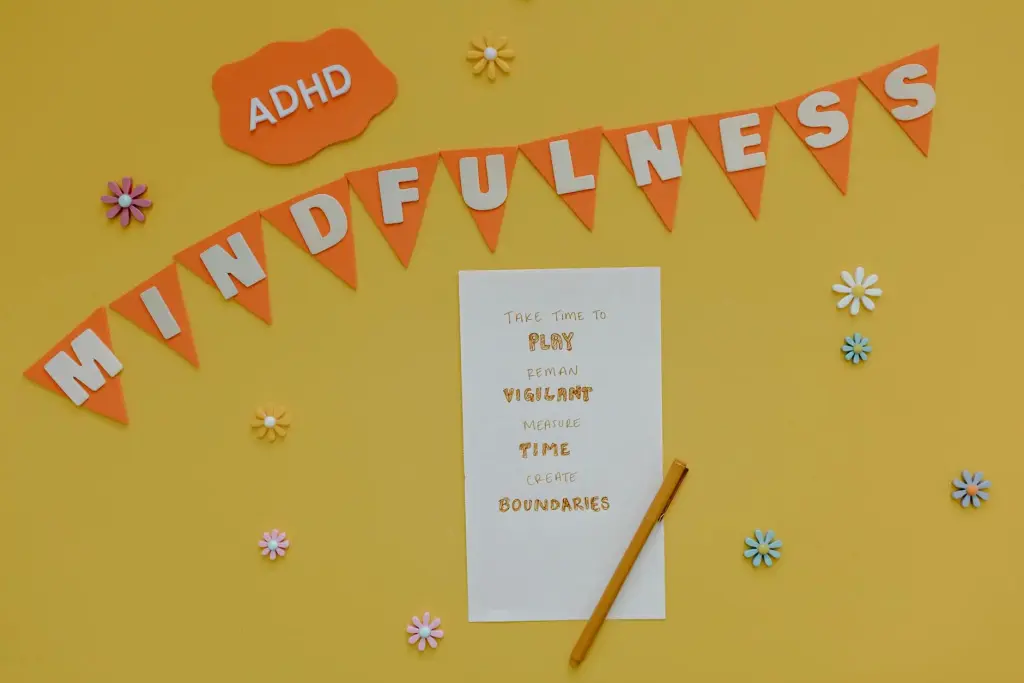
Social Media Mental Health: Gen Z Digital Wellness Crisis sits inside a broader mind & body conversation. Social Media Mental Health touches routines, wellbeing, and the gap between online advice and practical reality. That wider frame is what readers need if the topic is going to make sense beyond the headline alone.
The immediate value in a fuller article about Social Media Mental Health: Gen Z Digital Wellness Crisis is perspective rather than repetition. Readers usually want to know whether Social Media Mental Health changes health decisions, daily habits, or the quality of advice people rely on. A useful explainer should connect the topic to real-world consequences, not just restate the hook.
Key developments
At the center of Social Media Mental Health are a few practical questions: what changed, who is affected, and which part of the story is actually new. The story usually moves from an initial claim or event, to early reaction, to a second round of reporting that clarifies whether the first interpretation was accurate. That is the point where Social Media Mental Health becomes more than a headline and starts to become a topic readers can actually assess. That baseline makes the subject easier to evaluate than a stripped-down alert or a trendy one-liner.
Readers get more value when the immediate headline is connected to the broader context surrounding the event, response, and likely follow-up. In the case of Social Media Mental Health, the published details already hint at that broader frame. They are usually trying to understand the sequence of events, the most relevant takeaway, and the next checkpoint to follow. That context is what turns a fast alert into a useful explainer.
How the story developed
The timeline around Social Media Mental Health is best understood in stages. First comes the trigger that puts the issue in front of readers. Then comes the reaction from institutions, audiences, or markets. Finally comes the question of whether the early framing holds once better information arrives. That sequence matters because the first interpretation is often incomplete.
The evidence standard matters here. A credible explainer should separate what is confirmed from what is inferred, identify which claims come from official sources or industry reporting, and make clear where the story is still developing. That discipline is what keeps Social Media Mental Health useful for readers instead of turning it into pure commentary.
Why it matters
For readers, the importance comes from understanding how the initial event could shape the next wave of reaction, reporting, or decision-making. In the case of Social Media Mental Health, that means looking beyond the headline in "Social Media Mental Health: Gen Z Digital Wellness Crisis" and focusing on who is affected, what could shift next, and which questions remain unresolved.
The key signals usually involve whether the initial headline keeps developing into something with wider consequences for readers, institutions, or audiences. In this case, Social Media Mental Health continues to matter because the first update is only one part of a wider pattern. Readers searching this topic later will not only want the original headline. The useful question is whether the next round of reporting confirms that direction or changes it.
For readers trying to make sense of Social Media Mental Health, the useful questions are consistent: what actually happened, how confident the available facts are, and what developments could change the picture next. A stronger article should answer those questions directly instead of repeating the headline in different words.
What to watch next
For now, Social Media Mental Health remains worth watching. The next developments to monitor usually come from official statements, follow-up reporting, and any measurable shift in public reaction or stakeholder response. What to watch next For now, Social Media Mental Health remains a live story worth tracking. The most meaningful updates will come when official statements, hard data, or follow-up reporting materially change the picture established so far.
The clearest way to follow Social Media Mental Health from here is to watch for official updates, measurable outcomes, and the next checkpoint that confirms whether the story is expanding or fading. What matters next is whether the initial takeaway holds once more evidence, reaction, or performance data comes in.
Readers who want more mind & body context can follow our Mind & Body coverage, browse the latest GenZ NewZ headlines, and compare this report with reliable external reporting for additional official or industry background on Social Media Mental Health.
Comments 0
No comments yet. Be the first to share your thoughts!
Leave a comment
Share your thoughts. Your email will not be published.