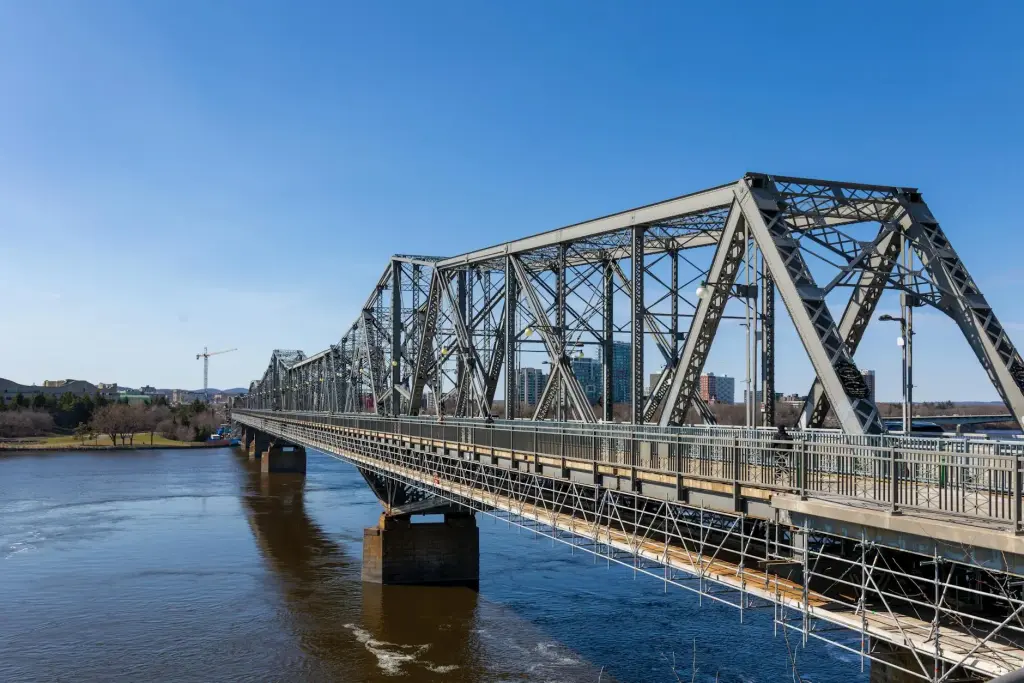
Ottawa is on track for dramatic Ottawa population growth over the next quarter century, with a new report predicting the capital region will swell to 1.7 million residents by 2051. The projection, released by the city this week, represents an increase of more than half a million people and raises urgent questions about housing, transportation, and infrastructure.
The Ottawa population growth forecast means the city will need to accommodate the equivalent of adding another Gatineau every decade for the next 25 years. City planners say this growth will require fundamental changes to how Ottawa develops, with implications for everything from transit expansion to green space preservation.
The report comes as Ottawa is already struggling with housing affordability, traffic congestion, and strained public services. Adding 500,000 new residents will amplify existing challenges while creating new demands for schools, hospitals, and community facilities.
Housing Crisis Intensifies
The most immediate impact of Ottawa population growth will be felt in the housing market. The city is already facing a shortage of affordable housing, and adding half a million people will put enormous pressure on prices unless construction rates increase dramatically.
City officials estimate that Ottawa will need to build approximately 200,000 new housing units over the next 25 years to keep pace with population growth. This would require more than doubling current construction rates and overcoming significant barriers including land availability, zoning restrictions, and construction capacity.
The growth plan anticipates that much of this new housing will need to be built as denser multi-unit developments rather than single-family homes. This has sparked debate in established neighborhoods about redevelopment and the preservation of Ottawa's character as a mid-sized city.
Infrastructure Under Pressure
Transportation is another major concern. Ottawa's light rail transit system, already struggling with reliability issues, was designed for a much smaller population. The city will need to invest billions in transit expansion, road improvements, and active transportation infrastructure to keep residents moving.
Water and wastewater systems, electrical grids, and telecommunications infrastructure will all require significant upgrades. The report warns that failure to invest proactively could result in service disruptions and quality-of-life impacts that undermine Ottawa's attractiveness as a place to live.
Climate change adds another layer of complexity. As Ottawa grows, it must do so in ways that reduce carbon emissions and increase resilience to extreme weather events. This includes building more energy-efficient housing, expanding green infrastructure, and protecting natural areas that help mitigate flooding and heat waves.
What This Means for Gen Z
For young people currently living in Ottawa or considering moving to the capital, the population growth projections present both opportunities and challenges. On one hand, a growing city means more economic opportunities, cultural vibrancy, and amenities. On the other hand, it could mean even higher housing costs and increased competition for jobs.
Gen Z will bear the brunt of decisions made today about how to accommodate growth. If the city fails to build sufficient housing, young people will be priced out of the market or forced into long commutes from distant suburbs. If transit expansion lags, they will spend more time stuck in traffic.
However, young residents also have the opportunity to shape how Ottawa grows. The city is currently revising its official plan, and Gen Z participation in these processes can ensure that growth prioritizes affordability, sustainability, and quality of life over short-term development interests.
The Bottom Line
Ottawa population growth is inevitable, but how the city manages that growth will determine whether it remains a livable, affordable capital or becomes another expensive, congested metropolis. For Gen Z, the stakes could not be higher. The decisions made over the next decade about housing, transportation, and infrastructure will shape the city they inherit and determine whether Ottawa remains a place where young people can build their futures.
Comments 2
Leave a comment
Share your thoughts. Your email will not be published.