Culture
AI-generated
Gen Z Mental Health: Social Media Impact and Effective Solutions
Explore Gen Z mental health challenges driven by social media use and discover practical solutions for building resilience and wellbeing in the digital age.
This article was produced with AI assistance and reviewed by a named GenZ NewZ editor before publication.
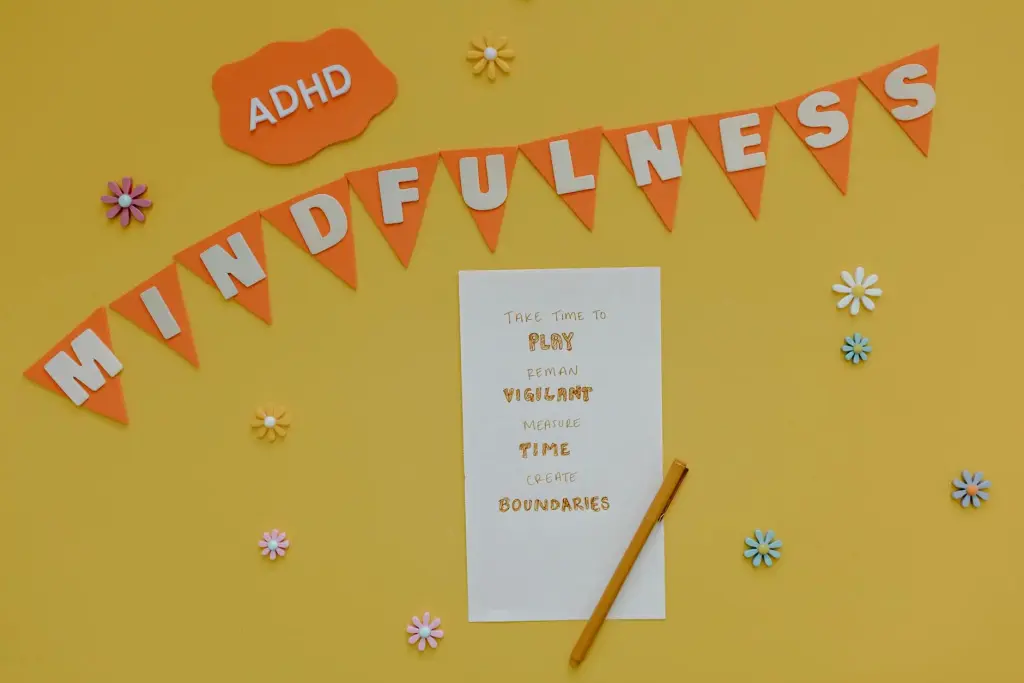
Photo by Tara Winstead on Pexels
5 min read
Gen Z mental health has become a defining concern of our era as this generation faces unprecedented challenges in an increasingly connected yet isolating digital world. Born between 1997 and 2012, Gen Zers have grown up with smartphones, social media, and constant connectivity from their earliest memories. While these technologies offer remarkable opportunities for learning, connection, and self-expression, they have also created unique psychological pressures that previous generations never experienced. Understanding these challenges and implementing effective solutions is essential for supporting the wellbeing of today's young people.
## The Digital Native Dilemma
Unlike any generation before them, Gen Z has never known a world without the internet and social media. This constant connectivity shapes their social development, self-image, and worldview in profound ways. Research consistently shows that heavy social media use correlates with increased anxiety, depression, and body image issues among young people. The pressure to maintain curated online personas while comparing themselves to carefully filtered representations of others creates a perfectionism trap that's difficult to escape.
The dopamine-driven design of social media platforms exploits natural reward systems, creating addictive usage patterns that can interfere with sleep, academic performance, and real-world relationships. Notifications, likes, and shares provide intermittent reinforcement that keeps users engaged far longer than intended. For developing brains, this constant stimulation can rewire neural pathways in ways that affect attention, impulse control, and emotional regulation.
## Social Media's Double-Edged Sword
While social media often receives blame for Gen Z mental health challenges, the reality is more nuanced. These platforms also provide vital spaces for community building, identity exploration, and activism. Many young people find supportive communities online that they cannot access in their physical environments, particularly those in marginalized groups or isolated geographic areas.
The key distinction appears to be between passive consumption and active, meaningful engagement. Mindlessly scrolling through idealized content tends to harm wellbeing, while genuine connection and creative expression can enhance it. Understanding this distinction helps explain why some young people thrive online while others struggle, and points toward solutions that preserve benefits while mitigating harms.
Learn more about digital wellbeing at GenZ Newz Digital Wellness.
## Recognizing Warning Signs
Addressing Gen Z mental health effectively requires recognizing when young people are struggling. Common warning signs include withdrawal from previously enjoyed activities, dramatic changes in sleep or eating patterns, declining academic performance, and expressions of hopelessness or worthlessness. Online behavior can also indicate distress, such as seeking excessive validation through posts or expressing emotional pain through cryptic messages.
Parents, educators, and peers should maintain open communication channels without being intrusive. Creating safe spaces where young people feel comfortable discussing their mental health without judgment is crucial. Early intervention significantly improves outcomes, making awareness and responsiveness essential components of any mental health strategy.
## Practical Solutions and Strategies
Effective solutions for Gen Z mental health challenges combine individual strategies with systemic changes. Digital wellness practices like setting app time limits, curating feeds to include diverse and realistic content, and establishing phone-free periods can help restore balance. Mindfulness and meditation apps specifically designed for young people offer accessible tools for managing anxiety and building emotional awareness.
Offline activities remain vital for healthy development. Physical exercise, creative pursuits, face-to-face socializing, and time in nature provide counterbalances to digital life. Schools and communities should prioritize these activities while teaching media literacy skills that help young people critically evaluate online content and recognize manipulation tactics.
Discover mental health resources at GenZ Newz Mental Health Facts.
## Building Resilience and Support Systems
Long-term mental health depends on building resilience and robust support systems. This includes fostering strong family relationships, encouraging peer connections, and ensuring access to professional mental health services when needed. Schools increasingly implement social-emotional learning curricula that teach coping skills, emotional regulation, and healthy relationship building.
Peer support programs have shown particular promise for Gen Z, who often prefer confiding in friends over adults. Training young people to recognize when friends are struggling and how to respond appropriately creates a safety net that complements professional services. Normalizing mental health conversations reduces stigma and encourages help-seeking behavior when needed.
For professional mental health guidance, see National Institute of Mental Health resources.
## The Path Forward
Addressing Gen Z mental health requires collective action from technology companies, policymakers, educators, families, and young people themselves. Platform design changes that prioritize wellbeing over engagement, regulations protecting young users, and comprehensive mental health education in schools all contribute to positive outcomes.
While the challenges are significant, Gen Z demonstrates remarkable resilience and advocacy for mental health awareness. This generation is more likely than predecessors to seek help, discuss their struggles openly, and demand systemic changes that support wellbeing. By combining their advocacy with evidence-based interventions and supportive environments, we can help ensure that digital natives thrive both online and offline.
The conversation around Gen Z mental health continues to evolve as research advances and new technologies emerge. Staying informed and adaptable while maintaining focus on fundamental human needs for connection, purpose, and belonging will guide effective support strategies for years to come.
Comments 0
No comments yet. Be the first to share your thoughts!
Leave a comment
Share your thoughts. Your email will not be published.