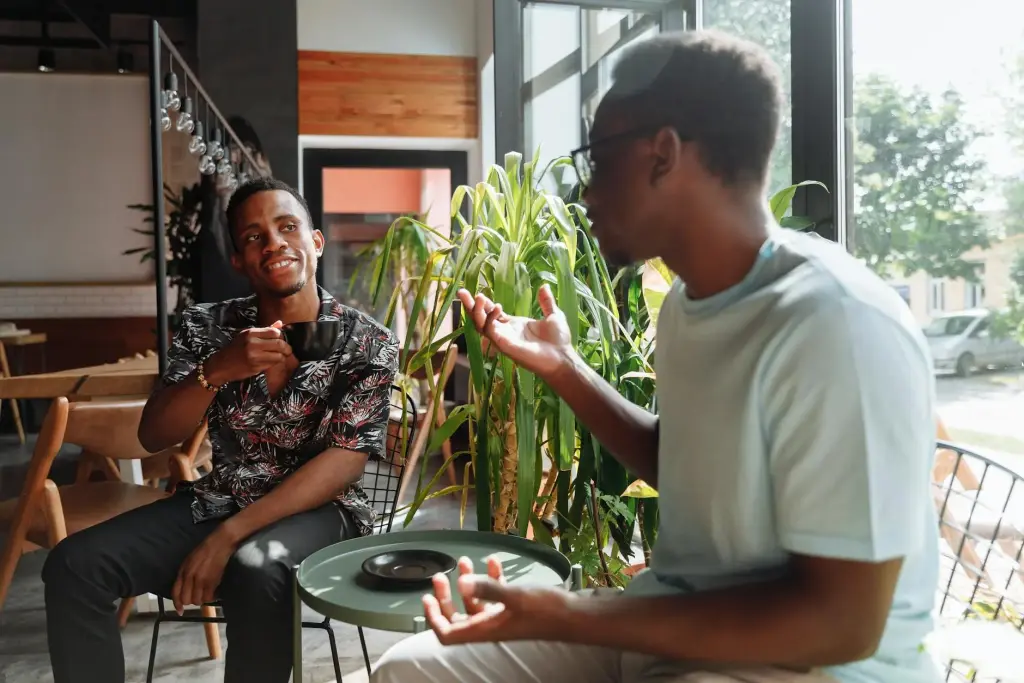
Making friends as an adult feels harder because the conditions that created friendships in school usually disappear. Shared classes, sports teams and constant accidental contact are replaced by work schedules, commuting and smaller social circles. That does not mean adult friendship is unrealistic. It means the process becomes less automatic and more dependent on repeated routines, intentional invitations and environments where people see each other often enough for trust to build.
According to the CDC's guidance on social isolation and loneliness, social disconnection is common and carries real health risks, especially for young adults and people under stress. A related CDC MMWR analysis found high levels of loneliness and low social and emotional support in younger adults. That matters because making friends as an adult is not only a lifestyle concern. It is part of protecting mental and physical health over time.
Why adult friendship feels slower than it used to
Adult life removes many of the built-in conditions that used to do the work for you. In school, friendship often started through repetition. You saw the same people every day, shared the same deadlines and had many low-stakes chances to talk again after an awkward first conversation. Adult environments are usually more fragmented. People have less unstructured time, more responsibilities and fewer natural third places where repeated interaction happens without planning.
That is why making friends as an adult usually works better when people stop expecting instant chemistry. Most adult friendships begin through familiarity, not dramatic first impressions. A class, volunteer shift, religious group, hobby night or recurring neighborhood event creates the repetition that makes follow-up feel normal instead of forced.
Repeated contact matters more than charisma
The biggest mistake people make is treating friendship like a one-off social performance. In reality, repeated contact does more than charisma ever will. If you keep showing up to the same walking group, coworking meetup, game night or volunteer program, conversation gets easier because context is already shared. Familiarity lowers friction. That is one reason making friends as an adult is usually easier in recurring spaces than in random one-time events.
It also helps to choose settings where talking is built into the activity. A class with partner work or a volunteer environment with practical tasks creates easier openings than a loud room where nobody has a reason to keep the conversation going. When the structure does some of the work, people do not have to invent connection from nothing.
Small follow-up moves matter more than perfect confidence
Adult friendship often stalls not because a conversation went badly, but because nobody makes the next move. A message after a class, a suggestion to grab coffee after a recurring meetup or a simple check-in the next week is usually more important than having the most impressive first interaction. Making friends as an adult depends on demonstrating steady interest, not on appearing effortlessly social.
That also means accepting that not every contact will become a close friend. Some people stay activity friends, some become occasional acquaintances and a smaller number turn into real support. That is normal. A healthy social life is built from layers, not from one dramatic best-friend outcome appearing immediately.
Protect the routine that makes connection possible
Friendship is easier to maintain when it is attached to a routine instead of only to spontaneity. If every plan depends on everyone suddenly being free at the same time, most adult friendships fade before they deepen. Regular walks, monthly dinners, shared hobby nights or volunteer schedules work better because the next contact is already partly built in. Routine reduces the energy cost of staying connected.
For readers trying to improve social connection, the practical path is simple: choose one recurring setting, keep showing up, make one low-pressure follow-up and give the process time. Making friends as an adult is rarely about becoming more interesting overnight. It is about creating the repeated contact that lets connection grow. Readers who want more practical wellbeing guidance can also browse our health coverage for related reporting on stress, habits and social wellbeing.
Comments 0
No comments yet. Be the first to share your thoughts!
Leave a comment
Share your thoughts. Your email will not be published.