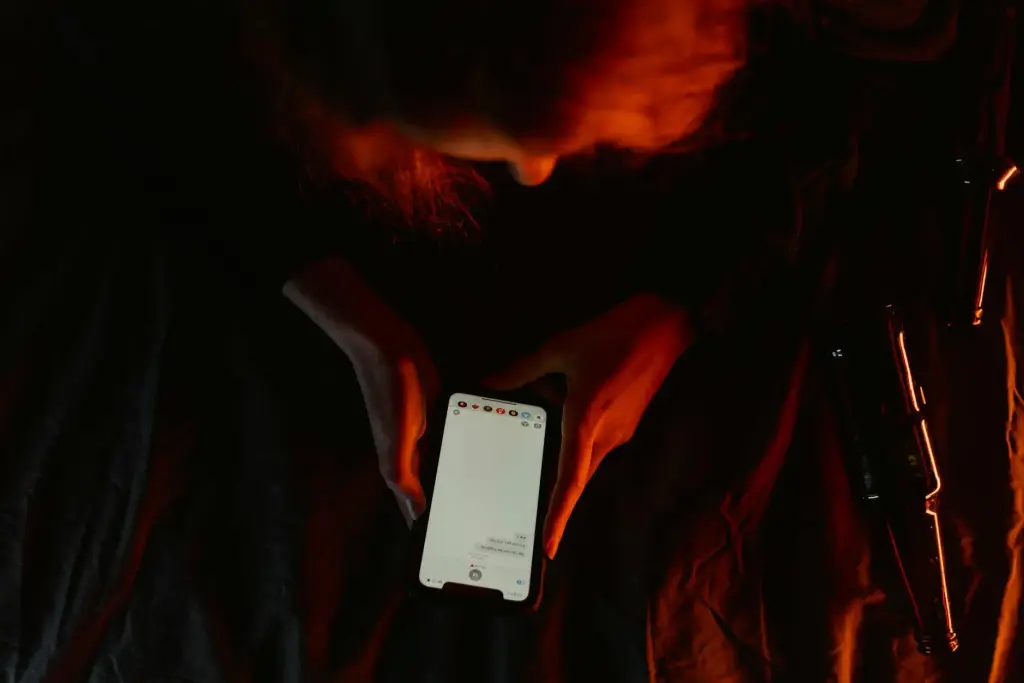
Doomscrolling feels irrational because the user usually knows the content is making them feel worse and keeps scrolling anyway. The pattern makes more sense once uncertainty, novelty and threat are treated as part of the same loop. Bad news promises useful information, social feeds deliver it in small unpredictable bursts and the brain keeps checking because the next update might explain the danger better than the last one did. Doomscrolling is not just a time-management problem. It is a stress-and-attention problem.
According to the U.S. Surgeon General's social media advisory, current evidence does not support treating today's social platforms as sufficiently safe for children and adolescents, and newer research adds more detail to the mechanism. Doomscrolling explained in plain terms is the cycle where stress pushes a person to keep checking negative updates even after the checking itself is making them feel worse.
A PubMed-indexed study on the Doomscrolling Scale linked doomscrolling with psychological distress and lower wellbeing, while a systematic review and meta-analysis of problematic social media use found significant associations with depression, anxiety and stress among adolescents and young adults.Why threatening feeds keep pulling people back
News about conflict, layoffs, elections, health scares or platform drama creates a sense that checking again might finally deliver certainty. Instead, feeds usually deliver a mix of partial updates, speculation and emotionally charged reactions. Doomscrolling thrives in that environment because the user is not only consuming information. They are searching for relief from uncertainty, and the feed is very good at promising relief without actually providing it.
That pattern gets stronger late at night or during stressful events, when people are tired, alone and more likely to use the phone without a clear purpose. The scroll becomes a ritual of checking rather than a deliberate attempt to learn. By the time the user notices they have been reading for forty minutes, the mood cost has already arrived.
Evidence points to problematic use, not just harmless habit
The current research does not prove that every long session causes a mental health disorder, and it should not be oversimplified that way. What it does show is that problematic, compulsive or passive use patterns are consistently associated with worse mental health signals. That is important because doomscrolling sits closer to passive and repetitive checking than to intentional information gathering.
In practice, the difference is easy to spot. Reading one verified update about a developing event is not the same as jumping across ten reaction threads, short videos and rumor posts looking for closure. Doomscrolling starts when the behavior stops being about learning and becomes about staying attached to the stream.
How to break the loop without pretending news does not matter
The fix is not to become uninformed. It is to limit how the information enters. Many people do better when they replace feed-driven checking with scheduled news windows, direct visits to a small number of trusted outlets and app limits that shut off the worst late-night behavior. This reduces the role of algorithmic surprise and gives the user a cleaner boundary around when information is allowed in.
Notifications deserve special attention. If every alert is treated as urgent, the phone trains the user to experience interruption as normal. Turning off low-value news alerts, muting the noisiest social apps and moving the phone away from the bed are basic changes, but they work because they reduce the number of automatic prompts to check.
What to do if scrolling is bleeding into sleep and mood
When doomscrolling starts damaging sleep, concentration or daily mood, it is no longer only a harmless habit. That is the point where behavioral friction matters most: app timers, grayscale modes, downtime blocks and phone-free routines before sleep. None of these tools are glamorous, but they help because they make the loop less automatic.
The more durable goal is to make checking news a choice again. For GenZ NewZ readers, that means following important stories deliberately, not letting every feed become an endless stress treadmill. Doomscrolling loses power when the person decides when to engage, how long to engage and which sources are worth the attention in the first place.
Comments 0
No comments yet. Be the first to share your thoughts!
Leave a comment
Share your thoughts. Your email will not be published.