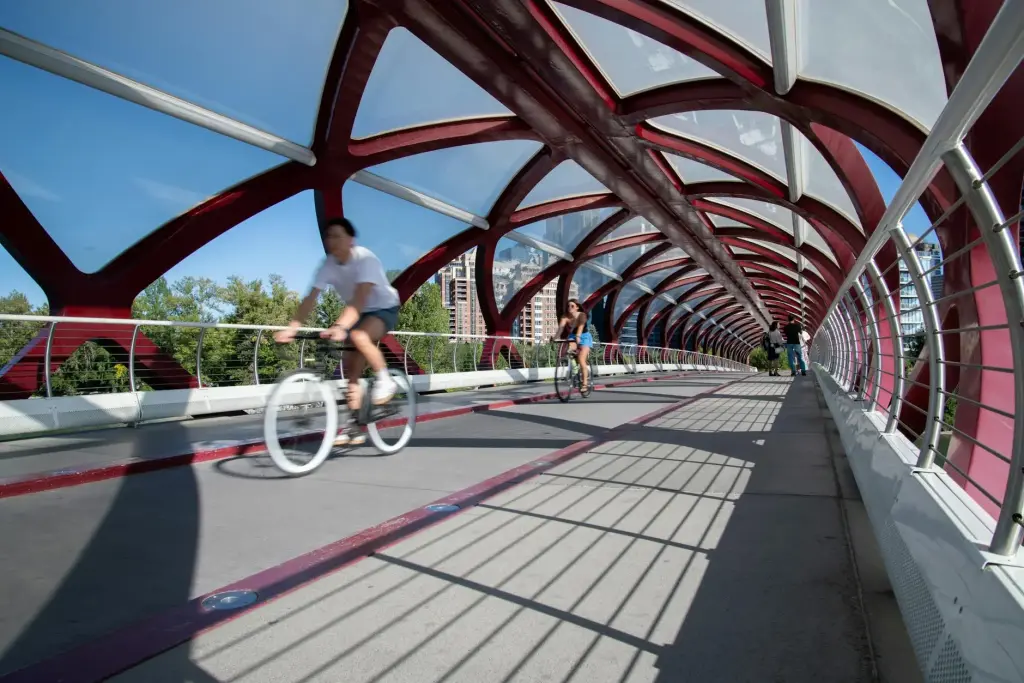
What started as a local debate over Calgary bike lanes has evolved into a province-wide conversation about the future of urban transportation, with smaller Alberta cities now grappling with the same contentious issues that have divided Calgary residents. The debate over how to allocate limited street space has become a flashpoint for broader discussions about climate policy, urban density, and who cities should prioritize.
In Medicine Hat, a city of 63,000 people traditionally dominated by personal vehicles, proposals for expanded bike infrastructure and traffic-calming measures have sparked heated public meetings. The Calgary bike lane debate has clearly influenced how residents in smaller centers view similar proposals in their own communities.
The issue has become so politically charged that it has drawn attention from provincial politicians, with some framing bike lanes as part of a broader ideological conflict over environmental policy and individual freedom. What was once a technical planning question has become a culture war battleground.
The Arguments For and Against
Proponents of expanded cycling infrastructure argue that Calgary bike lanes and similar projects in other cities are essential for reducing carbon emissions, improving public health, and creating more livable urban environments. They point to data showing that protected bike lanes increase cycling rates and reduce accidents for all road users.
Cycling advocates also emphasize that bike infrastructure benefits more than just cyclists. Wider sidewalks, traffic calming, and reduced vehicle speeds create safer streets for pedestrians, children, and elderly residents. They argue that cities designed primarily for cars exclude those who cannot or choose not to drive.
Opponents, however, contend that bike lanes in cities like Calgary and Medicine Hat represent a misallocation of scarce resources. They argue that Alberta's harsh winters make cycling impractical for much of the year, and that removing vehicle lanes worsens traffic congestion for the majority of residents who depend on cars.
Business owners in some areas have expressed concerns that reduced parking and vehicle access hurts their bottom line. The de debate has pitted neighbor against neighbor, with both sides accusing the other of being out of touch with reality.
A Province Divided
The Calgary bike lane debate reflects deeper divisions within Alberta about the province's future. Urban centers like Calgary and Edmonton have embraced more progressive transportation policies, while smaller cities and rural areas remain firmly committed to automobile-centric development.
The provincial government has waded into the controversy, with some ministers suggesting that municipal bike lane policies should be subject to provincial oversight. This has raised constitutional questions about municipal autonomy and the appropriate level of government to make transportation planning decisions.
The debate has also become entangled with broader political identities. Support for or against bike lanes increasingly signals one's position on climate change, urban development, and the role of government in shaping personal behavior.
What This Means for Gen Z
For young Albertans, the Calgary bike lane debate represents a generational divide in how they view transportation and urban living. Gen Z is less likely to own cars than previous generations and more likely to prioritize walkable, bikeable neighborhoods. For them, bike infrastructure is not a luxury but a necessity for affordable, sustainable urban living.
Young people are also more concerned about climate change and see cycling infrastructure as part of the solution to reducing transportation emissions. They are frustrated by political debates that treat bike lanes as controversial when scientific evidence supports their benefits for public health and the environment.
However, Gen Z also recognizes that Alberta's extreme weather and sprawling development patterns make cycling challenging. They want transportation options that work year-round, including improved public transit and safer streets for all users. The bike lane debate, for them, is part of a larger conversation about building cities that work for everyone.
The Bottom Line
The Calgary bike lane debate spreading to smaller Alberta cities highlights how transportation policy has become a proxy for broader cultural and political conflicts. For Gen Z, the question is not whether cities should accommodate cyclists, but how quickly elected officials will adapt to changing demographics and preferences. As younger residents become a larger share of the electorate, cities that resist bike infrastructure may find themselves struggling to attract the talent and investment needed to thrive in the 21st century.
Comments 0
No comments yet. Be the first to share your thoughts!
Leave a comment
Share your thoughts. Your email will not be published.